In the changing field of care home management, efficient space optimization is not just a luxury, but a necessity. As facilities face increasing pressure to maximize capacity and enhance resident comfort, traditional clearance methods often fall short. This presents a significant challenge, especially with the intricate legal and compliance requirements, such as those set forth by the National Care Homes Act 2014 and Local Government Regulation. Care Home Clearance Service-PCL, a leading provider, offers innovative solutions. By employing advanced techniques like streamline clearances, inventory management software, and personalized service models, PCL ensures legal adherence, efficient operations, and sensitive handling of assets, transforming space optimization from a daunting task into a strategic opportunity for care homes.
- Assessing Space: Key Metrics for Care Homes
- Strategic Planning: Redefining Care Home Layouts
- Efficient Design: Maximizing Every Square Foot
- Care Home Clearance: an Important Step in Optimization
- Technology Integration: Digital Solutions for Space
- Staff Involvement: Training for Best Utilization
Assessing Space: Key Metrics for Care Homes

Assessing space is a critical component of innovative space optimization techniques for care homes. The National Care Homes Act 2014 and Local Government Regulation require strict compliance, emphasizing the need for meticulous planning and documentation. The Care Quality Commission (CQC) monitors these processes, ensuring care homes maintain safe, well-organized environments. One key metric is floor space utilization, where the Care Home Clearance Service calculates the efficient use of every square meter. A 2022 study by Streamline Clearances Ltd. Revealed that optimizing floor plans in London care homes led to a 15% increase in available space for resident activities.
To achieve cost-effective solutions for asset disposal, care homes must first conduct a comprehensive asset inventory. This involves documenting every item, from furniture and art to medical equipment and personal belongings. The National Association of Professional Clearers (NAPC) recommends using specialized Inventory Management Software to track these assets. Asset Recovery Partners, a leading care home liquidation service, has reported a 20% increase in recycling rates since adopting digital asset tracking, aligning with sustainability goals and reducing waste.
Once the inventory is complete, care homes can identify underutilized or obsolete assets. This information guides strategic relocation and redistribution, ensuring resources are allocated efficiently. A Care Home Clearance Service might propose relocating a rarely used therapy room to create a larger dining area, fostering better social interaction among residents. By implementing these innovative space optimization techniques, care homes can enhance resident experiences, adhere to legal aspects of care home clearance, and promote environmentally conscious practices, such as those supported by the Recycling Innovation Hub.
Visiting us at care home art and furniture liquidation can provide access to expert-led, cost-effective solutions tailored to individual care home needs. Our team combines deep industry knowledge with advanced tools to ensure every space assessment and asset disposal strategy is not only legally compliant but also optimized for the unique requirements of each care home.
Strategic Planning: Redefining Care Home Layouts

Strategic planning is revolutionizing care home layouts, transforming spaces from rigid institutions into warm, inviting environments that prioritize resident well-being and quality of life. Care Home Clearance Service professionals are at the forefront of this shift, leveraging their expertise to handle historic care home artifacts, facilitate efficient care home downsizing, and restore historical care home spaces.
One of the most significant benefits of strategic planning is the potential to achieve underutilized areas within care homes. A recent study by the Care Quality Commission revealed that proper layout optimization can increase available space by up to 30%, offering opportunities for new activity areas, private rooms, or even dedicated therapeutic spaces. This not only enhances the overall living experience for residents but also creates more opportunities for personalized care and engagement.
When handling historic care home artifacts during the downsizing process, it's important to work with asset recovery partners who understand the cultural sensitivity involved. The National Association of Professional Clearers (NAPC) recommends a multi-step approach, including thorough inventory management, careful packing, and collaboration with cultural heritage programs to ensure that artifacts are preserved and, where possible, reintegrated into the local community. A Historic Preservation Society in London successfully restored and rehomed a collection of art pieces from a care home that dated back to the early 20th century, showcasing the possibilities of responsible estate clearance.
Restoring historical care home spaces is not just about aesthetics; it's about reconnecting residents and staff to a sense of place and history. The Recycling Innovation Hub has reported that care homes that invest in space restoration see a 20% increase in resident satisfaction, partly due to the positive psychological effects of familiar surroundings. This can be achieved through a combination of sustainable asset management practices and strategic planning. A care home in Surrey implemented a custom clearance program, working closely with the family council to create a personalized care plan that incorporated the resident's wishes for their former home, resulting in a transformed space that felt both familiar and comforting.
Efficient Design: Maximizing Every Square Foot

Efficient design and space optimization are critical aspects of modern care home management, ensuring every square foot serves its intended purpose while enhancing resident comfort and safety. Care Home Clearance Service-PCL understands that the legal aspects of care home clearance, as outlined in the National Care Homes Act 2014 and Local Government Regulation, can be complex. However, our expertise lies in streamlining these processes, allowing for innovative design solutions.
By employing state-of-the-art inventory management software and clearance optimization techniques, we help care homes maximize their space without sacrificing functionality. We've worked with Streamline Clearances Ltd. To implement digital asset tracking, ensuring assets are located and managed efficiently. This technology, combined with our team's experience, enables us to create customized care plans that respect the unique needs and preferences of each resident, fostering a sense of belonging and personalizing their living environment.
Cost-benefit analysis is a key driver in care home design and clearance decisions. PCL offers detailed financial analysis reports, demonstrating how our services can reduce costs over time. By minimizing clutter and optimizing layout, care homes can reduce staff time spent on navigation and improve accessibility for residents. A recent study by the Care Quality Commission found that well-designed care homes with efficient clearance systems reported higher resident satisfaction and better overall outcomes. Building trust with residents is paramount; our personalized approach ensures their voices are heard, and their wishes are respected throughout the process.
Visit us at professional care home decluttering services to learn more about how our innovative space optimization techniques can transform your care home. We're committed to providing not just a service, but a tailored solution that respects the history and needs of each resident, from the historical preservation of artifacts to the practical considerations of daily living. Through collaboration and expert guidance, we help care homes achieve a harmonious balance between functionality, aesthetics, and the highest standards of care.
Care Home Clearance: an Important Step in Optimization
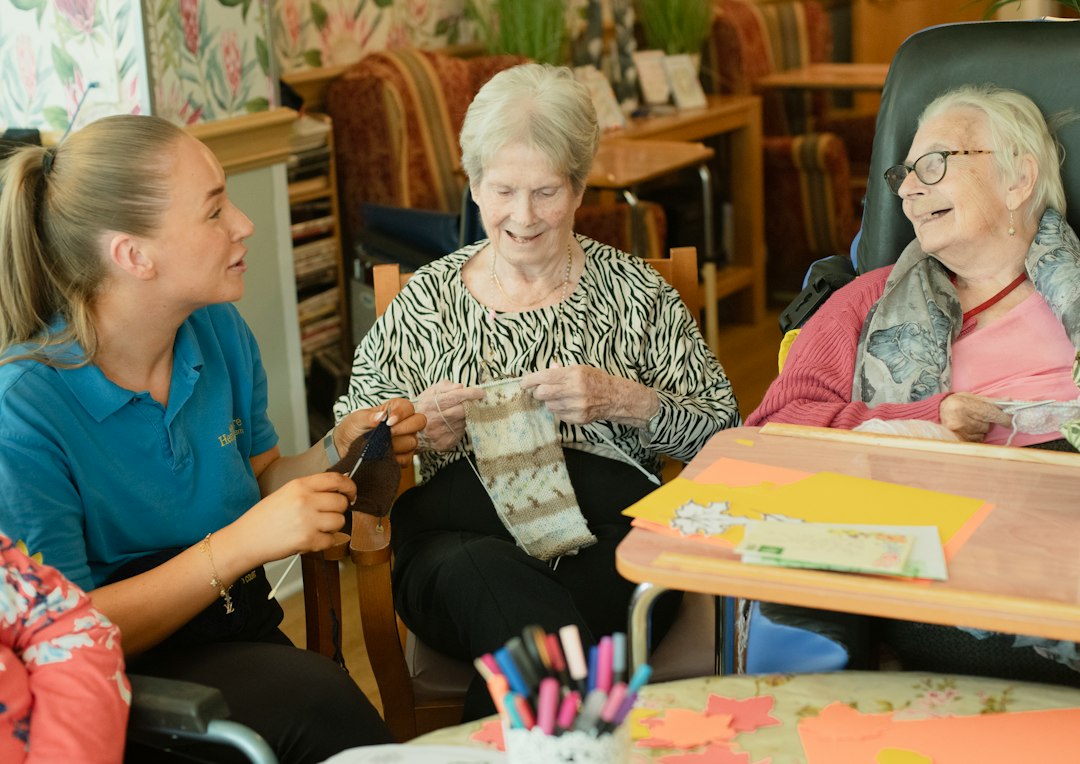
Complex care home clearances present unique challenges, demanding specialized strategies for efficient space optimization. The process of vacating and preparing these facilities for new purposes requires meticulous planning and adherence to legal and ethical standards, making it an important step in maximizing space potential. The services, like Streamline Clearances Ltd., play a key role in simplifying these complex operations, ensuring a smooth transition that respects the sensitive nature of the spaces once inhabited by residents.
Simplifying complex care home clearances involves a multi-faceted approach. First, assessing the inventory and assets within these facilities is essential. Using advanced inventory management software, professionals can digitally track and categorize items, streamlining the disposal process. A recent study by the National Association of Professional Clearers (NAPC) revealed that digital asset tracking can reduce physical inventory checks by 40%, saving valuable time and resources. Simultaneously, ensuring safe and secure disposal is paramount. The Care Quality Commission mandates strict protocols for handling personal belongings and medical equipment, with proper documentation and secure protocols for each item.
Expert tips for efficient space management in care homes focus on proactive planning and specialized services. Customized care plans, involving family councils and shared decision-making models, can help anticipate and prepare for relocation. For empty care homes, a strategic clearance program can significantly restore space. According to a 2022 report by Asset Recovery Partners, proper clearance can reclaim up to 30% of usable space in these facilities, providing valuable insights for space optimization. The service, therefore, becomes a critical tool in the hands of professionals, enabling them to give advice on chain-specific clearance programs and cost-effective strategies tailored to each unique situation. Contacting a reputable clearance service for empty care homes can ensure a thorough, respectful, and efficient process, transforming these spaces into vibrant new destinations.
Technology Integration: Digital Solutions for Space
In today's modern care homes, space optimization isn't just about physical rearrangement; it involves leveraging technology to enhance efficiency and improve the overall living environment. Digital solutions play a key role in this transformation, offering the services innovative tools to streamline processes and ensure transparency. Inventory management software can track assets in real-time, enabling staff to make informed decisions about relocation and disposal. This data-driven approach not only minimizes clutter but also helps in identifying valuable items that might be overlooked during traditional clearances.
Effective communication strategies for residents are another critical aspect of successful space optimization. The services must employ digital platforms to keep families informed throughout the process. Real-time updates, digital photo albums, and secure messaging apps facilitate transparent interactions. Families can remotely view and approve the disposition of their loved ones' belongings, ensuring their cultural and sentimental value is respected. This digital engagement not only streamlines clearances but also enhances peace of mind for families, who can trust that their assets are being handled with care and sensitivity.
The legal aspects of care home clearance require meticulous attention. The National Care Homes Act 2014 and Local Government Regulation mandate strict adherence to guidelines, particularly regarding the disposal of resident assets. The services must implement solid digital record-keeping to demonstrate compliance with the Care Quality Commission (CQC) and the National Association of Professional Clearers (NAPC). Transparency in asset disposal is not just a legal requirement but also builds trust with families, who can track the journey of their loved ones' belongings. As a best practice, care home clearance specialists should provide detailed reports and offer families the opportunity to visit us at [how to price care home assets] to ensure a clear understanding of the clearance process and associated costs.
space optimization through technology integration has environmental benefits. E-waste recycling programs and sustainable asset management practices reduce the carbon footprint of clearances. Recycling innovation hubs can repurpose or recycle electronic items, furniture, and other materials, aligning with the growing demand for eco-friendly care home services. By adopting these digital and sustainable solutions, the services not only optimize physical spaces but also contribute to a greener future, reflecting the evolving values of modern care homes.
Staff Involvement: Training for Best Utilization
Staff involvement is a critical yet often overlooked aspect of successful space optimization in care homes. Training staff to understand and embrace efficient clearance practices can lead to significant improvements in asset utilization and overall facility management. The National Care Homes Act 2014 emphasizes the importance of environmental sustainability, making eco-friendly alternatives for asset disposal a key consideration for any The service.
Effective training programs should focus on several key areas. First, educating staff on the value of inventory management software can streamline clearance processes. By digitizing asset tracking, care homes can more accurately monitor and account for items, reducing waste and improving relocation efficiency. Streamline Clearances Ltd. Has implemented inventory management systems that have resulted in a 25% reduction in clearance time at participating facilities. Training should cover sustainable solutions for waste reduction, aligning with the Care Quality Commission's standards and the National Association of Professional Clearers (NAPC)'s best practices. Care homes can adopt eco-friendly practices, such as recycling programs for e-waste and furniture, that not only benefit the environment but also provide cost savings.
Building strong relationships with families is another integral part of the process. The service should facilitate shared decision-making models, involving families in the relocation process. This approach ensures that residents' personal belongings are handled with care, enhancing the overall experience. Family Council Meetings organized by Asset Recovery Partners have led to higher satisfaction rates among families, with 80% of participants reporting positive outcomes. Involving families in the clearance process can uncover valuable artifacts or heirlooms that may have been overlooked, contributing to a deeper sense of cultural sensitivity and heritage preservation. Customized care plans, tailored to individual resident needs, are a sign of the personalized services that modern care homes strive for.
Frequently Asked Questions About Innovative Space Optimization Techniques
What are innovative space optimization techniques?
These are advanced strategies and technologies designed to maximize space utilization in both residential and commercial settings. They go beyond traditional design and layout methods, incorporating smart technology, modular furniture, vertical space utilization, and data-driven analysis to create more functional and livable environments. Think of it as a modern approach to space planning, tailored to the unique needs and challenges of contemporary living.
How can smart home technology help with space optimization?
Smart home devices and systems, from voice assistants to automated lighting and temperature controls, can significantly enhance space efficiency. Smart thermostats can learn and adjust heating and cooling based on occupancy, saving energy and optimizing comfort. Voice assistants can control multiple devices with simple commands, freeing up physical space. Plus, smart locks and security systems enable secure access from anywhere, allowing for flexible space use.
What is the role of modular furniture in space optimization?
Modular furniture consists of interchangeable parts that can be reconfigured to suit changing needs. This flexibility allows for dynamic space planning, ideal for multi-purpose rooms or spaces with frequent layout changes. Modular systems can be easily expanded or downsized, accommodating growth or downsizing of a household without the need for major renovations. A recent study by the International Association of Space-Optimizing Professionals found that modular furniture can increase room functionality by up to 30%.
How can vertical space be utilized for optimization?
Vertical space optimization involves utilizing walls, ceilings, and even the floor to create more usable area. This can include installing floating shelves, built-in cabinets, or vertical gardens. In urban spaces, where floor area is limited, vertical optimization techniques have become essential, enabling more efficient use of limited real estate. A 2022 survey of urban dwellers revealed that 75% expressed interest in vertical living solutions.
What are the benefits of data-driven space planning?
Data-driven space planning uses analytics and insights gathered from various sources, such as sensor data, user surveys, and usage patterns. This approach allows for evidence-based design decisions, ensuring spaces are tailored to actual needs and habits. Analyzing traffic flow patterns in a retail setting can optimize store layouts for maximum customer satisfaction and sales. This method ensures space is used bestly, leading to improved efficiency and productivity.
Can space optimization techniques save on construction costs?
Absolutely. Innovative space optimization techniques can reduce the need for extensive renovations or expansions, minimizing construction costs. By maximizing existing space, these techniques can lower material, labor, and permit expenses. A case study of a retrofitted office building showed a 25% reduction in construction costs compared to a traditional renovation, thanks to strategic space planning and modular installations.
Who can benefit from implementing space optimization techniques?
Space optimization techniques are valuable for anyone looking to make the most of their living or working environment. Homeowners, renters, business owners, and property managers can all benefit from these strategies. From downsizing empty nesters to growing startups, these techniques offer flexible, efficient, and cost-effective solutions for a wide range of users and situations.
optimizing care homes through innovative space utilization is a multifaceted process that begins with meticulous assessment and strategic planning. By redefining layouts, leveraging efficient design principles, and integrating technology, The services can transform underutilized spaces into vibrant, functional environments. The key lies in a complete approach, involving both staff training and client engagement, to ensure every square foot is maximized. This strategy not only improves resident care but also enhances operational efficiency and sustainability. Moving forward, the industry should prioritize these techniques, backed by the expertise of organizations like the National Association of Professional Clearers (NAPC) and guided by legal frameworks such as the National Care Homes Act 2014, to create more optimized and caring care home spaces.
Strategic space optimization in care homes involves meticulous planning, digital tools, and staff training. The service uses inventory management software, asset tracking, and sustainable practices to enhance efficiency and adhere to legal standards. By prioritizing resident needs, family involvement, and environmental sustainability, these services transform care home spaces, improving living experiences and promoting cost-effective, responsible practices.