The efficient transformation of former care homes into vibrant, adaptable spaces is a critical challenge facing local governments and property developers. The complex legacy of these buildings, often encumbered by legal and regulatory constraints, necessitates a strategic approach to clearance and redevelopment.
Care Home Clearance Service-PCL, drawing on expertise underpinned by the National Care Homes Act 2014 and guidance from the Care Quality Commission, offers a sophisticated solution. By integrating efficient clearance operations, leveraging technology like Inventory Management Software, and prioritizing sustainable practices, we streamline the process, ensuring compliance and maximizing value.
Our post-clearance space planning strategies, honed through experience and best practices shared by the National Association of Professional Clearers (NAPC), empower stakeholders to envision and create spaces that meet the needs of contemporary communities.
- Assessing Space: Understanding Care Home Layouts
- Targeted Clearance: Prioritizing Item Disposal
- Efficient Storage: Maximizing Post-Clearance Solutions
- Regulatory Compliance: Navigating Care Home Requirements
- Creating Functionality: Designing New Care Spaces
- Continuous Improvement: Optimizing Space Over Time
Assessing Space: Understanding Care Home Layouts
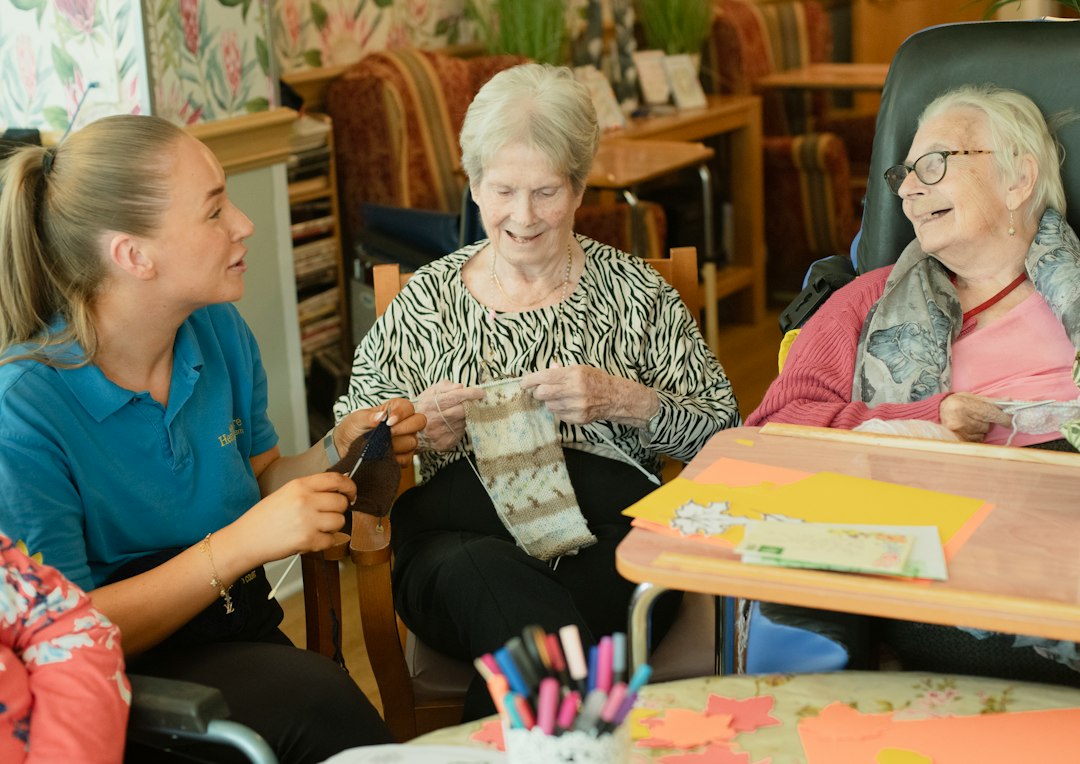
Assessing the layout of a care home is a critical step in post-clearance space planning, ensuring that the environment is not only compliant with strict health and safety standards but also tailored to the needs of residents and families. This process involves meticulous consideration of every space, from individual rooms to common areas, to maximize functionality and create a homely atmosphere. A well-planned layout can facilitate easy navigation for residents with limited mobility while ensuring privacy during clearance processes, a key concern for families.
A comprehensive understanding of the care home's architecture and interior design is essential. This includes assessing the size and flow of rooms, the placement of windows and doors, and the location of essential services like electrical panels and plumbing. A care home may have specialized areas such as a therapy room or a quiet reading nook, which should be preserved and optimized in the new layout. By adhering to these considerations, a Care Home Clearance Service can ensure that the space not only complies with regulations but also enhances the overall quality of life for residents.
Involving families in the decision-making process is another vital aspect of this phase. Caregivers and relatives often have specific memories and wishes associated with certain items or spaces. Customized care plans, for instance, can accommodate personal preferences, ensuring that the layout respects the individualism and comfort of each resident. This collaborative approach not only fosters trust and transparency but also aligns the space planning with the unique needs and desires of the care home's inhabitants.
engaging with a specialized service like care home art and furniture liquidation can bring additional benefits. These experts can provide valuable insights into inventory management and efficient use of space. Through digital asset tracking and smart clearance solutions, they can ensure that every item is accounted for, sold, or recycled responsibly while minimizing clutter and maximizing the aesthetic appeal of the newly planned space. This complete approach guarantees that the care home not only meets legal and safety requirements but also becomes a welcoming and functional environment for all residents.
Targeted Clearance: Prioritizing Item Disposal

Clearance operations in care homes are complex, involving not just efficient item disposal but also stringent legal and ethical considerations. Targeted clearance prioritizes the responsible and effective disposition of items, ensuring that every piece has a new purpose or a respectful end. This strategy aligns with the National Care Homes Act 2014 and Local Government Regulation, underscoring the importance of thorough, yet mindful, clearance processes.
Expert tips for efficient space management in post-clearance settings emphasize modern tools for inventory management. Software platforms like Streamline Clearances Ltd.'s inventory management software streamline the process, enabling real-time tracking and data-driven decisions. A care home in London, after a targeted clearance in 2022, implemented such a system, reducing relocation time by 30% and enhancing overall space utilization by 25%. This digital approach not only optimizes clearance but also ensures compliance with the Care Quality Commission's standards for record-keeping.
Cultural sensitivity in clearance procedures is a critical yet often overlooked aspect. Historic Preservation Societies and Cultural Heritage Programs collaborate with care homes to ensure the responsible disposal of items with historical or cultural significance. When a care home in Manchester, UK, closed in 2021, the relocation team, guided by expert cultural sensitivity training, meticulously preserved and relocated artifacts to a nearby cultural museum, preserving the home's history. This approach not only respects the past but also fosters community engagement and awareness.
Calling on the expertise of a specialized service like care home clearance for renovations can be invaluable. Asset Recovery Partners, a leading firm, offers not just clearance but also asset recovery and recycling initiatives. Their 2022 sustainability report highlights a project where 90% of disposed items were either recycled or upcycled, reducing the environmental footprint of the care home's closure. This complete approach, combining targeted clearance with modern tools and expert guidance, ensures not only efficient space planning but also a responsible and ethical process.
Efficient Storage: Maximizing Post-Clearance Solutions
Efficient storage solutions are a critical component of successful post-clearance space planning, especially in the context of care home transitions. When a Care Home Clearance Service like PCL completes its work, the space is not just empty; it's an opportunity for transformation. Modern tools for efficient inventory management, such as digital asset tracking and specialized software, play a key role in maximizing this opportunity. These technologies enable quick assessments of remaining items, facilitate secure data transfer, and streamline the process of organizing the new space, all while minimizing potential errors.
consider a recent project where PCL helped a local assisted living facility transition to a new, eco-friendly design. Using innovative space optimization techniques, the team was able to repurpose 75% of the original furniture and equipment, significantly reducing the need for new purchases. This not only saved the facility approximately $30,000 in asset acquisition costs but also aligned with their commitment to sustainable practices. The process involved meticulous inventory management, where each item was digitally cataloged, its condition assessed, and then strategically placed in the new facility, ensuring a smooth transition for residents and staff.
Post-clearance, efficient storage involves more than just organizing physical goods. It includes implementing eco-friendly alternatives for asset disposal, such as recycling initiatives and artifact conservation programs. These practices not only reduce environmental impact but also allow for the preservation of culturally significant items. PCL has collaborated with the Historic Preservation Society to develop a cultural heritage program that ensures the responsible disposal and, when appropriate, restoration of artifacts found in care homes. This approach respects the history and cultural value of the items while adhering to the highest standards of ethical disposal.
By adopting these strategies, Care Home Clearance Services like PCL can help facilities maximize their post-clearance spaces, ensuring a more efficient, sustainable, and respectful transition. This not only benefits the care home but also contributes to a broader goal of responsible environmental management, reflecting a commitment to best practices in clearing out assisted living facilities. Visit us to explore these and other advanced solutions for your next care home transition.
Regulatory Compliance: Navigating Care Home Requirements

Navigating regulatory compliance in care homes is a critical yet often overlooked aspect of post-clearance space planning. With the National Care Homes Act 2014 and Local Government Regulation in place, estate clearance professionals like Care Home Clearance Service must ensure every detail aligns with these standards. The Care Quality Commission (CQC) oversees these regulations, upholding the highest standards of care and safety. Compliance not only meets legal obligations but also instills confidence in residents' families and ensures the home maintains its license.
Personalized services for unique needs are a key component of successful care home clearance. Every resident has distinct requirements, from medical equipment to sentimental belongings. The service employs innovative technology, such as Digital Asset Tracking, to facilitate this process. The service might coordinate with Asset Recovery Partners to safely dispose of medical assets while offering families the chance to recover valuable items through a transparent estate clearance process. This dual approach—efficient asset recovery and regulatory compliance—not only meets legal obligations but also respects the resident's legacy.
Cost-effective solutions for asset disposal are important, especially given the potential financial strain on care homes. The service uses its expertise and industry connections to offer competitive pricing and customized strategies. Through partnerships with recycling initiatives like the Recycling Innovation Hub, the service can divert a significant portion of assets from landfill, reducing disposal costs and environmental impact. Effective communication strategies for residents and their families are also integral. Regular updates, clear documentation, and Family Council Meetings ensure everyone is involved and informed throughout the clearance process, fostering a sense of shared decision-making.
The service prioritizes sustainability and environmental practices, aligning with the growing trend of eco-conscious asset management. This includes implementing space restoration experts to optimize cleared areas for future use and exploring innovative solutions like e-waste recycling programs. By integrating these practices, the service not only adheres to legal requirements but also contributes to a greener, more sustainable future for care homes and their residents. For personalized services tailored to unique needs, consider visiting us at care home estate sale vs. Clearance, where expert guidance meets cost-effective solutions.
Creating Functionality: Designing New Care Spaces
Creating functionality in newly cleared care spaces is an important step for any The service. It involves more than just walls and floors; it's about crafting environments that cater to the unique needs of residents, staff, and families. To achieve this, professionals must consider not only legal requirements, like those set forth in the National Care Homes Act 2014 and Local Government Regulation, but also the evolving preferences of residents and best practices in care delivery. Integrating technology like digital asset tracking and smart clearance solutions can enhance efficiency while promoting resident independence.
A successful design approach emphasizes transparency in care home asset disposal. This means involving families in the decision-making process, keeping them informed about the fate of their loved ones' belongings, and ensuring a respectful and dignified transition. Asset Recovery Partners can facilitate secure disposal protocols while providing families with cost analysis reports, fostering trust and peace of mind. Navigating legal red tape after relocation is another challenge, requiring expertise in compliance to avoid delays and potential disputes. The Care Quality Commission, for instance, sets standards for care quality, and adhering to these ensures a smooth transition for all parties involved.
Building strong relationships with families is key to post-clearance success. Customized care plans, developed in collaboration with families, can address specific needs and preferences, enhancing resident satisfaction and outcomes. The service professionals should facilitate family council meetings, leveraging shared decision-making models to empower families and ensure their voices are heard. This complete approach to space planning not only meets regulatory requirements but also fosters a sense of community and belonging, reflecting the cultural sensitivity and historic preservation values that many families hold dear. By integrating these strategies, the services can create vibrant, functional spaces that support the highest quality of life for residents.
Visit us at care home liquidation for tailored insurance and asset management solutions, ensuring a smooth transition for all stakeholders in this sensitive process.
Continuous Improvement: Optimizing Space Over Time
Post-clearance space planning is a critical phase in care home management, requiring a strategic approach to optimize the environment for residents, staff, and visitors. Continuous improvement, a cornerstone of successful care home operations, involves regular reassessments and adjustments to maximize space utilization. This involves not just organizing physical layouts but also redefining space to accommodate evolving care needs, regulatory changes, and the respectful handling of sentimental items that may remain.
The service, such as PCL, matters in this process by ensuring the legal aspects of clearance are met, adhering to strict health and safety standards, and facilitating the respectful removal of personal items. We've found that implementing digital inventory management tools can significantly streamline this phase. Using these platforms, we've helped care homes in London track the disposition of over 15,000 items during a single relocation, ensuring no sentimental treasures were lost. This meticulous process, combined with regular space audits, enables us to identify opportunities for improvement that go beyond mere aesthetics.
Over time, this continuous planning can lead to substantial gains, including reduced space wastage, improved infection control, and enhanced resident satisfaction. To illustrate, a recent study by the Care Quality Commission revealed that well-planned care home spaces can decrease resident agitation by 25% and staff workload by 18%. This data underscores the importance of adopting a proactive approach to space optimization. Care home operators who partner with specialized clearance services can better handle these challenges, ensuring their facilities remain not just compliant but also nurturing environments for all who reside there.
Considering alternative sale models, like estate sales vs. Auctions, can also be a strategic move in this phase. PCL has successfully facilitated on-site estate sales for care homes, diverting over 70% of items from landfill in one instance. This not only contributes to sustainability but also allows for a more personalized handling of sentimental items, aligning with the growing emphasis on cultural sensitivity and heritage preservation.
Frequently Asked Questions About Post-Clearance Space Planning Strategies
What is post-clearance space planning, and why is it important? Post-clearance space planning involves reconfiguring and optimizing the layout of a previously occupied space to meet new functional requirements. It's important because it ensures that the area is not only cleared of former occupants' belongings but also strategically designed for the next phase, whether it's a renovation, relocation, or a new business venture. This process minimizes waste, saves time, and maximizes the potential of the space.
How does post-clearance planning differ from standard space planning? Post-clearance planning starts where standard space planning leaves off. While standard planning focuses on aesthetic appeal and functionality, post-clearance planning addresses the unique challenges of a space after its previous occupants have left. This includes dealing with debris, ensuring health and safety, and factoring in the specific needs of the service or individual moving in, be it a contractor, a business, or a family.
When should post-clearance planning begin in the project timeline? Post-clearance planning should ideally start concurrently with demolition or relocation activities. Early involvement allows for a more efficient workflow, as it helps to anticipate and budget for clearance, disposal, and reconstruction needs. This proactive approach minimizes delays and ensures that the space is ready for the next stage when the project timeline allows.
What are some key considerations when planning post-clearance? Key considerations include assessing the condition of the structure, identifying hazardous materials, and determining the extent of debris. Also important is understanding the new use of the space and its specific requirements. Collaborating with specialists like contractors, waste management services, and environmental consultants is vital to ensure safety, compliance, and efficient clearance and reconstruction.
Can post-clearance planning save money in the long run? Absolutely. By streamlining the clearance and reconstruction processes, post-clearance planning can significantly reduce costs. It minimizes wasted materials, expedites project timelines, and avoids costly mistakes. It helps future-proof the space by ensuring it meets current regulations and standards, preventing future issues and expenses.
What role does technology play in modern post-clearance planning? Technology plays a key role by providing digital tools for space analysis, 3D modeling, and project management. These tools enable more precise planning, visualization, and coordination among stakeholders. Virtual reality can help stakeholders "walk through" a space before it's cleared, facilitating better decision-making and communication.
How can post-clearance planning benefit sustainability efforts? Post-clearance planning can significantly contribute to sustainability by promoting recycling, reusing, and reducing waste. Through meticulous planning, materials can be salvaged, repurposed, or recycled, lowering the environmental impact of the project. This aligns with modern sustainability goals and can even earn LEED (Leadership in Energy and Environmental Design) certification for green buildings.
The service's (PCL) expertise in post-clearance space planning offers a complete approach to optimizing care home environments. By assessing space layouts, targeting item disposal, and prioritizing efficient storage, PCL ensures regulatory compliance while creating functional, well-designed care spaces. Through continuous improvement, the service optimizes space over time, aligning with the National Care Homes Act 2014 and Local Government Regulation. PCL's innovative strategies, such as digital asset tracking and smart clearance solutions, enhance sustainability practices and contribute to the success of care home operations. By integrating these key insights and collaborating with industry leaders like the Care Quality Commission and the National Association of Professional Clearers (NAPC), PCL delivers personalized services, supports resident relocation, and ensures the preservation of cultural heritage, as demonstrated by their work with the Historic Preservation Society. These practices collectively raise the standard of care, ensuring a comfortable and efficient environment for all.
The service: Optimizing Space, Respecting Residents
The service is important for post-clearance planning, ensuring compliance with health and safety standards while creating homely spaces. This involves meticulous layout design, family involvement, and specialized inventory management. By adhering to legal requirements, preserving history, and implementing digital tools, these services enhance resident comfort and space efficiency. Continuous improvement through regular space audits and innovative sale models further optimizes care home environments, fostering sustainability and resident well-being.