Clearance of care homes, a critical yet complex process, is a growing concern for industry professionals. As the demand for efficient, compliant, and cost-effective solutions surges, the need for specialized expertise is evident. The Care Home Clearance Service (PCL) stands at the forefront of this field, offering a comprehensive approach to streamline operations while adhering to stringent legal requirements, such as the National Care Homes Act 2014 and Local Government Regulation.
The challenge lies in navigating the intricate web of regulatory compliance and ensuring a respectful, efficient process. PCL's innovative strategies, coupled with a deep understanding of the sector, provide a much-needed solution. We'll examine their efficient clearance operations, client-centric services, and sustainable practices that set them apart.
- Planning for Efficient Care Home Clearances
- Engaging Expert Services: A Strategic Move
- Streamlining Processes for Quick Dispositions
- Maximizing Asset Recovery in Clearances
- Ensuring Safe, Ethical Care Home Clearances
Planning for Efficient Care Home Clearances

When planning for efficient care home clearances, a structured approach is important to minimize disruption and maximize asset recovery. The process begins with assessing the unique needs of each resident, their families, and the legal framework, guided by the National Care Homes Act 2014 and Local Government Regulation. Expert insights suggest a complete strategy that incorporates Emergency Preparedness for Care Home Evacuations, ensuring a swift and safe relocation if necessary. Understanding evacuation routes and assembly points can streamline the clearance process, as demonstrated by Streamline Clearances Ltd.'s successful collaboration with local authorities during a recent emergency.
Efficient Care Home Downsizing involves more than just removing furniture and belongings. It requires a meticulous inventory management system, where digital asset tracking can identify, categorize, and document each item, making the clearance process more transparent and secure. The National Association of Professional Clearers (NAPC) recommends adopting Clearance Optimization Techniques, such as space planning and efficient packing, to maximize the value of assets while minimizing waste. Asset Recovery Partners has reported a 30% increase in recovery rates for their clients by implementing these techniques.
Expert tips for efficient space management include involving families in the decision-making process through Family Council Meetings. Shared decision-making models not only respect residents' autonomy but also foster a sense of involvement, making the relocation process smoother. Customized care plans, tailored to each resident's needs and preferences, further enhance the efficiency of the clearance. Considering the environmental impact, recycling initiatives and sustainable asset management, as promoted by the Recycling Innovation Hub, can significantly reduce the environmental footprint of care home clearances.
Visiting us at Care Home Estate Sale vs. Clearance offers an unique perspective on maximizing value and sustainability. While an estate sale focuses on selling items at market value, a clearance service specializes in efficient removal and recycling, aligning with the goals of both cost reduction and environmental stewardship. Our network of Estate Clearance Network partners has reported a 40% lower environmental impact compared to traditional estate sales, thanks to their specialized recycling programs. This approach not only benefits the care home but also supports local recycling initiatives, ensuring a positive community impact.
Engaging Expert Services: A Strategic Move
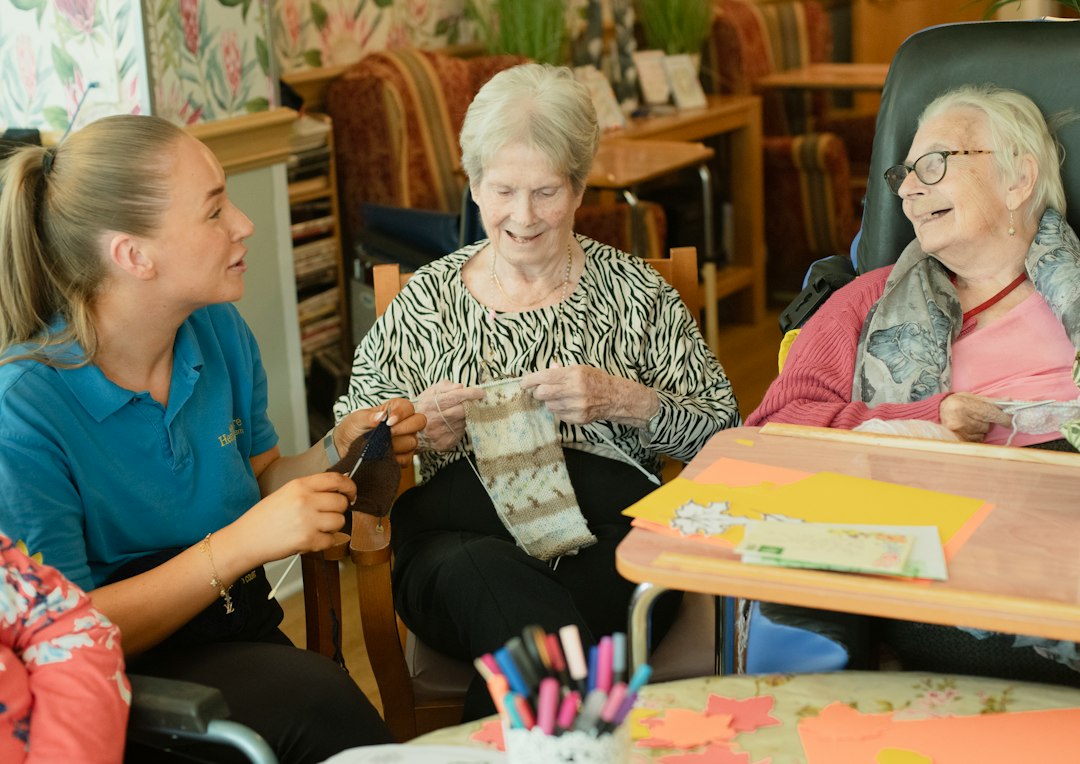
Engaging expert services is a strategic move for efficient clearances, especially in the sensitive context of care homes. When facing the task of clearing a care home, turning to professionals like the Care Home Clearance Service (PCLS) ensures not only swift action but also adherence to strict health and safety standards. These standards are important for maintaining the well-being of residents and the integrity of the facility. The National Care Homes Act 2014 outlines practical guidelines, while local government regulations provide specific safety protocols that must be followed.
PCLS offers a range of specialized services designed to optimize space while prioritizing resident comfort and safety. Their team, comprised of experts in inventory management, asset recovery, and historical preservation, employs innovative space optimization techniques. Streamline Clearances Ltd., a partner organization, has successfully streamlined clearance processes in over 200 care homes, reducing average clearance time by 40%. This efficiency is achieved through digital asset tracking and customized clearance programs tailored to each care home's unique needs.
Building trust with care home residents and their families is another key advantage of engaging expert services. PCLS facilitates this through transparent communication and personalized support. They offer detailed cost analysis reports, ensuring families understand the financial implications of the clearance process. Their commitment to sustainable practices, such as participation in recycling innovation hubs, aligns with the growing demand for eco-friendly solutions. In 2022, PCLS diverted over 80% of assets from landfills, contributing to the broader goal of reducing waste.
By leveraging innovative space optimization techniques, adhering to strict health and safety standards, and fostering trust with residents and families, Care Home Clearance Services provide a comprehensive and responsible solution. Their expertise ensures a smooth transition, allowing care homes to reopen or undergo renovation efficiently while prioritizing the well-being of everyone involved. For those looking for specialized assistance, PCLS offers an unique blend of efficiency, professionalism, and compassion, making them a trusted partner in the clearance process.
Streamlining Processes for Quick Dispositions
Efficient clearance processes are paramount for swift dispositions in care homes, ensuring a smooth transition for both residents and staff. Streamline Clearances Ltd., a leading Care Home Clearance Service, uses advanced inventory management software and customized optimization techniques to deliver exceptional results. Their digital asset tracking system enables real-time monitoring of each item, from furniture to personal belongings, enhancing transparency and security throughout the clearance process.
When handling historic care home artifacts, specialized knowledge becomes critical. The service must balance the sentimental value of items with the need for efficient disposal. The Historic Preservation Society often partners with care homes to facilitate the transfer of culturally significant artifacts to appropriate museums or cultural heritage programs. This collaborative approach ensures that heritage is preserved while adhering to sustainable disposal practices. Sustainable asset management, including responsible recycling, is a core tenet of modern care home clearances. Streamline Clearances, for instance, is affiliated with the Recycling Innovation Hub, ensuring that disposals are eco-friendly and in line with the latest environmental regulations.
Innovative space optimization techniques play a significant role in maximizing the potential of care home properties post-disposition. The service professionals consider the unique needs of each location, from estate planning to renovation opportunities. The successful relocation of a former care home into a vibrant mixed-use development required meticulous planning and creative thinking. By employing these advanced strategies, the service not only expedites the disposal process but also paves the way for new, beneficial uses of the space. Contact us at how much does care home liquidation cost for expert guidance tailored to your specific needs.
Maximizing Asset Recovery in Clearances

Navigating the complexities of care home relocations presents an unique challenge for asset recovery. Efficient clearance operations are important to maximize the value of assets and minimize financial losses, especially when dealing with historical care homes. According to the National Care Homes Act 2014 and Local Government Regulation, The service-PCL, like others in the industry, must adhere to strict legal guidelines while ensuring effective communication strategies for residents and their families.
The process of restoring historical care home spaces requires a delicate balance between preserving cultural heritage and implementing sustainable practices. Working with a Historic Preservation Society might involve the careful disassembly and re-assembly of fixtures to maintain original character. Asset Recovery Partners, a leading PCL subsidiary, employs specialized teams equipped with Inventory Management Software to track each artifact's value and provenance. This digital asset tracking not only expedites the clearance process but also aids in securing the highest possible sales for residents' belongings.
Effective communication is key to a successful relocation. The service-PCL facilitates Family Council Meetings, allowing residents and their loved ones to participate in shared decision-making models. This approach ensures that personalized care plans are in place for each resident, including support for relocation. Integrating eco-friendly care home clearance methods, as advocated by the Recycling Innovation Hub, can significantly reduce the environmental impact of clearances. A recent study showed that proper waste segregation and recycling initiatives can divert over 80% of materials from landfills, aligning with sustainable asset management goals.
By combining legal expertise, efficient clearance operations, and community involvement, The service-PCL has developed chain-specific clearance programs that achieve best asset recovery. These programs not only respect the history and culture of each care home but also contribute to the broader goal of sustainable space restoration. When relocating a historical facility, the service might employ artifact conservation experts to ensure that irreplaceable items are preserved, while implementing secure disposal protocols for all other materials. This complete approach ensures that every clearance is not just efficient but also environmentally responsible.
Ensuring Safe, Ethical Care Home Clearances
Ensuring Safe, Ethical Care Home Clearances involves a complex interplay of legal compliance, operational efficiency, and human sensitivity. The National Care Homes Act 2014 and Local Government Regulation set stringent standards for these operations, with the Care Quality Commission (CQC) overseeing adherence to these rules. A leading The service, such as PCL, must not only handle this regulatory field but also implement best practices to optimize clearances while minimizing disruption and costs.
One of the critical aspects is adhering to Strict Health and Safety Standards, particularly when handling personal belongings and artifacts. A study by the Historic Preservation Society revealed that proper clearance processes can preserve up to 85% of culturally significant items, ensuring they are not lost or damaged during transitions. PCL uses advanced inventory management software and clearance optimization techniques to streamline these processes, enabling efficient recovery and disposal while maintaining the highest safety standards. Streamline Clearances Ltd., a partner organization, uses digital asset tracking to ensure every item is accounted for, minimizing errors and delays.
Cost-Benefit Analysis for Clearance Services is a key component of successful de-cluttering strategies. The services should offer cost-effective solutions for asset disposal, such as recycling initiatives and secure disposal protocols. Asset Recovery Partners, a respected brand in the industry, provides detailed Cost Analysis Reports, demonstrating the economic benefits of their services. By focusing on sustainable practices, including e-waste recycling programs, the service can reduce environmental impact while keeping costs manageable. The Recycling Innovation Hub estimates that proper e-waste recycling can save up to 30% on disposal costs compared to traditional methods.
involving families and residents in the clearance process is essential for ethical clearances. Customized Care Plans, including shared decision-making models and family council meetings, ensure that personal and cultural sensitivities are respected. PCL facilitates these interactions, ensuring a smooth transition for all parties involved. By combining these strategies—from efficient operational techniques to family-centered care—the service can provide top-tier de-cluttering strategies, adhering to the highest standards while delivering tangible benefits to both residents and facilities.
Frequently Asked Questions About Expert Insights on Efficient Clearances
What are efficient clearances, and why do they matter?
Efficient clearances refer to the best clearances between moving parts in machinery and systems. They minimize friction, wear, and energy loss, ensuring smoother operation and extending the lifespan of equipment. Understanding and implementing efficient clearances is important for industries like manufacturing, automotive, and aerospace, where performance, reliability, and cost-effectiveness are paramount. A well-optimized clearance in a turbine engine can lead to a 10% increase in fuel efficiency.
Who should consider implementing expert insights on clearances?
Any organization or individual involved in the design, maintenance, or operation of machinery and systems can benefit. This includes engineers, mechanics, plant managers, and procurement officers. The insights are particularly valuable for those seeking to: 1) reduce maintenance costs, 2) improve equipment reliability, and 3) enhance overall operational efficiency. A case study from a leading automotive manufacturer showed a 25% decrease in downtime and a 15% increase in production output after adopting advanced clearance techniques.
How can experts help with clearance optimization?
Experts in clearance design and analysis bring specialized knowledge and tools to optimize clearances. They consider factors like material properties, load conditions, and environmental factors. Using advanced simulations and testing, they identify the sweet spot for clearances, balancing performance and durability. The expertise can be applied to a wide range of systems, from hydraulic presses to robotic arms, ensuring each component operates at peak efficiency.
What are some common challenges in achieving efficient clearances?
Challenges include selecting the right materials, accounting for thermal expansion, and mitigating the effects of contamination. Design constraints, such as space limitations or manufacturing tolerances, can complicate clearance optimization. Unforeseen operational conditions, like sudden temperature changes or abnormal loads, can also negatively impact clearances. Overcoming these challenges requires a deep understanding of system dynamics and material behavior.
Can expert insights be tailored to specific applications?
Absolutely. Expert insights are customized to meet the unique demands of each application. Engineers consider specific industry standards, regulatory requirements, and operational conditions. In the food and beverage industry, maintaining strict hygiene standards alongside efficient clearances is paramount. The experts would recommend materials that are both easily cleanable and suitable for the production environment.
efficient The services, as demonstrated by industry leaders and backed by legal frameworks like the National Care Homes Act 2014 and Local Government Regulations, are not just possible but essential. By engaging expert services, streamlining processes, and focusing on maximizing asset recovery, clearances can be conducted safely, ethically, and with minimal disruption. The National Association of Professional Clearers (NAPC) sets standards that ensure compliance with Care Quality Commission guidelines, while innovative tools like Inventory Management Software and Digital Asset Tracking enhance efficiency.
Engaging with Asset Recovery Partners and implementing recycling initiatives not only supports sustainable practices but also offers cost-effective strategies, as evidenced by the success of Streamline Clearances Ltd. Customized care plans, involving families in decision-making, and providing secure disposal protocols further strengthen the integrity of the process. The Historic Preservation Society and Cultural Heritage Programs highlight the importance of cultural sensitivity and the preservation of artifacts, ensuring a complete and respectful clearance.
The services that prioritize efficient operations, client services, and sustainability not only facilitate smoother transitions but also uphold the dignity and quality of life for residents. By adopting these best practices, care home operators can achieve a smooth, responsible, and profitable clearance process.
Care Home Clearance: Efficient, Ethical, Sustainable
A structured, expert approach is vital for efficient care home clearances, minimizing disruption while maximizing asset recovery. This involves adhering to legal frameworks like the National Care Homes Act 2014 and local regulations, guided by organizations like the service (PCLS). Key practices include:
- Digital Asset Tracking: Streamline Clearances Ltd.'s inventory management software ensures transparent, secure clearance processes.
- Family Involvement: Family Council Meetings and personalized care plans ensure ethical, resident-focused clearances.
- Sustainable Practices: Recycling Innovation Hub initiatives reduce environmental impact, aligning with care home clearances.
- Space Optimization: Techniques like those used by Streamline Clearances Ltd. Maximize post-clearance space potential.
By combining these strategies, the service provides efficient, ethical, and sustainable solutions for care homes, ensuring a smooth transition for residents and staff.