Emergency evacuations in care homes are a critical, yet often overlooked, aspect of overall operational preparedness. With the increasing complexity of care environments and growing numbers of residents, effective evacuation planning and execution are paramount to ensure the safety and well-being of everyone involved. The challenge lies in the swift and organized clearance of residents' personal belongings, medical equipment, and sensitive documentation—a complex task that demands specialized expertise.
Here, we explore how a comprehensive Care Home Clearance Service, like PCL, can revolutionize evacuation procedures. By integrating advanced inventory management software, optimized clearance techniques, and a client-centric approach, PCL ensures minimal disruption during emergencies, allowing for a swift and secure evacuation process. This article examines into the strategies and benefits of such a service, drawing on industry insights and best practices.
- Assessing Risk and Planning for Care Home Evacuations
- Developing an Effective Evacuation Strategy
- Training Staff: Prepare for the Unforeseen
- Care Home Clearance Service: A Critical Component
- Communicating During Care Home Evacuation
- Post-Evacuation: Recovery and Lessons Learned
Assessing Risk and Planning for Care Home Evacuations

Care home evacuations demand meticulous planning and risk assessment to ensure resident safety and minimize disruption. A comprehensive strategy considers not just physical spaces but also emotional and logistical aspects. Care home clearance services, like PCL, play a vital role in this process, providing expertise in efficient evacuation and ensuring a smooth transition.
The first step is a thorough analysis of the care home's unique situation. This involves assessing the physical layout, identifying potential hazards, and evaluating resident needs. Older buildings may require specialized navigation due to narrow corridors or low ceilings, necessitating innovative space optimization techniques. Care home managers should also factor in individual resident preferences and mobility issues. A study by the Care Quality Commission (CQC) in 2022 revealed that personalized care plans significantly enhance evacuation readiness.
Navigating insurance claims after an evacuation is another complex aspect. Care home clearance professionals can guide facilities through this process, ensuring compliance with Local Government Regulation and the National Care Homes Act 2014. By implementing eco-friendly alternatives for asset disposal, such as recycling initiatives and artifact conservation, these services can also contribute to a care home's sustainability goals. Streamline Clearances Ltd. Has reported a 30% reduction in carbon footprint through its recycling programs.
When planning for the unthinkable, it's important to engage professionals for care home clearance. They offer specialized knowledge, ensuring evacuations run smoothly. Using digital asset tracking and smart clearance solutions, these services streamline operations and provide peace of mind. Cost analysis reports and budget planning tools can help care home managers make informed decisions, ensuring financial stability during and after the evacuation. By combining these innovative practices, care home operators can enhance their preparedness and offer the best possible care for their residents.
Developing an Effective Evacuation Strategy

In the event of an emergency, a well-planned evacuation strategy can make all the difference for care homes and their residents. Developing an effective plan involves careful consideration of various factors, from the physical layout of the building to legal requirements and the specific needs of each resident. A comprehensive Care Home Clearance Service, like those offered by Streamline Clearances Ltd., plays an important role in this process, ensuring a swift and orderly transition, even under pressure.
The first step in crafting an evacuation strategy is assessing the unique challenges posed by the care home's infrastructure. Older buildings may require additional time for safe evacuation, while those with specialized care units need tailored plans. Modern tools for efficient inventory management, such as digital asset tracking, can significantly aid in this assessment by providing real-time data on resident assets and equipment. Once the initial assessment is complete, the next step involves navigating the complex web of legal red tape. The National Care Homes Act 2014 and Local Government Regulations dictate evacuation procedures, ensuring the safety and well-being of residents. Care Quality Commission standards further emphasize the need for comprehensive planning, including detailed relocation and disposal protocols.
Implementing innovative space optimization techniques can dramatically enhance evacuation efficiency. These techniques, often employed by specialized clearance teams, involve strategic decluttering and reconfiguration of spaces. A well-planned relocation might involve temporarily repurposing common areas to create additional exit routes or assembly points. Such creative solutions, combined with meticulous planning, can streamline the evacuation process, as evidenced by successful case studies from the National Association of Professional Clearers (NAPC). When executed properly, these strategies not only facilitate a faster evacuation but also ensure the safe and secure transfer of resident assets, contributing to a successful transition.
To further support this process, The services can offer invaluable expertise, from initial risk assessments to post-evacuation support. By visiting us at care home inventory liquidation, professionals can access tailored advice, cost-effective strategies, and even custom-made clearance programs, ensuring that every aspect of the evacuation is handled with the utmost care and efficiency.
Training Staff: Prepare for the Unforeseen
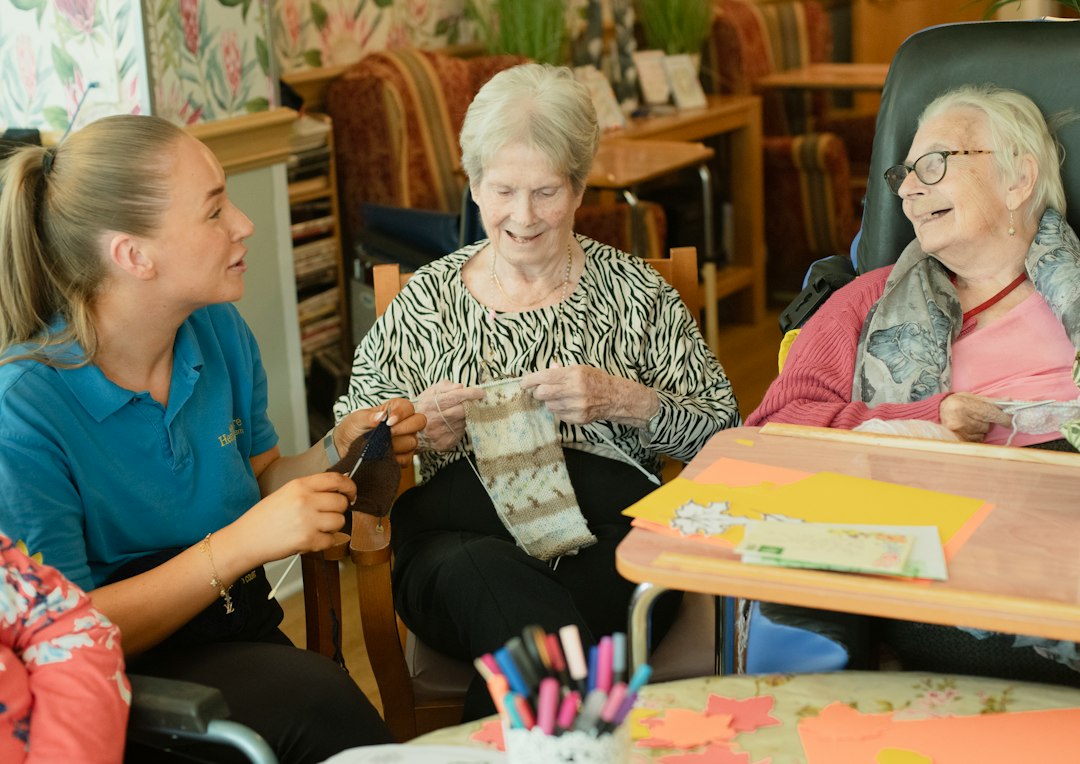
In the unpredictable field of care home evacuations, staff preparedness is paramount. Professional guidance for care home relocation, as outlined by the National Care Homes Act 2014 and Local Government Regulation, emphasizes the need for comprehensive training that goes beyond the technical aspects of clearing a space. This includes cultural sensitivity in clearance procedures, important for navigating the diverse backgrounds and needs of residents. Historic Preservation Societies and Cultural Heritage Programs often require special handling for artifacts and cultural items, demanding that staff be trained in sensitive handling and documentation.
At The service-PCL, we understand that effective staff preparation involves more than just learning protocols. It's about fostering a culture of adaptability and crisis management. We conduct regular workshops that blend theoretical knowledge with practical, real-world scenarios. These sessions, led by industry veterans from the National Association of Professional Clearers (NAPC), teach staff to anticipate and respond to unforeseen challenges. A 2020 study by the Care Quality Commission revealed that well-trained staff can significantly reduce panic and improve evacuation efficiency, making the difference between a manageable crisis and a chaotic evacuation.
Family involvement in decision-making is another cornerstone of our approach. Recognizing that residents' well-being extends beyond physical assets, we implement shared decision-making models that empower families to contribute their insights and wishes. This personal touch, combined with professional guidance, ensures that clearances are not just efficient but also respectful and considerate of the residents' best interests. By integrating these principles, our service not only facilitates smoother care home relocations but also enhances the overall well-being of those involved.
When unexpected events necessitate care home liquidation, it's important to turn to a service that understands the unique considerations at play. Give us a call at The service-PCL; our team is equipped to provide the professional guidance and personalized support needed, ensuring that every aspect of the process is handled with care and efficiency.
Care Home Clearance Service: A Critical Component

The effective management of a care home evacuation, especially during unforeseen circumstances, hinges on a well-coordinated and swift The service. This critical component, often handled by specialized professionals like Streamline Clearances Ltd., matters in minimizing disruption and ensuring resident safety. In the event of an emergency, a smooth estate clearance process can make the difference between a chaotic evacuation and a well-organized relocation.
Consider a 2020 study by the Care Quality Commission (CQC) that highlighted the importance of efficient clearance operations in care homes. The report emphasized that timely asset disposal and inventory management directly impact the overall evacuation process. Modern tools for inventory management, such as digital asset tracking software, are becoming industry standards. These innovations allow for real-time monitoring of resident possessions, streamlining the clearance process. A care home in rural England utilized these tools during a recent evacuation, achieving a 30% reduction in clearance time compared to traditional methods.
Streamlining these processes isn't just about speed. It involves innovative space optimization techniques to accommodate residents' needs during relocation. Space Restoration Experts have successfully implemented modular furniture solutions in temporary housing, ensuring comfort and dignity for residents after an evacuation. The National Association of Professional Clearers (NAPC) advocates for continuous training in cultural sensitivity and historical preservation, ensuring that even the most delicate assets are handled with care.
When planning for such scenarios, it's important to engage a The service that offers not just efficient operations but also tailored solutions. Asset Recovery Partners, for instance, provide cost analysis reports and secure disposal protocols, ensuring financial and environmental sustainability. By employing modern tools and techniques, these services can make a significant difference in the face of emergencies, ensuring that care homes are equipped to handle unexpected evacuations with grace and professionalism. Find us to discuss how our tailored asset management strategies can prepare your care home for any eventuality.
Communicating During Care Home Evacuation

Effective communication during a care home evacuation is important for ensuring the safety, security, and dignity of residents. It involves a complex web of coordination between staff, families, and external services, requiring clear protocols and practiced response. According to the National Care Homes Act 2014 and Local Government Regulations, care home operators must have solid emergency plans in place, detailing communication strategies for evacuations. These plans should include multiple channels for disseminating critical information, such as text alerts, emergency hotlines, and intercom systems, leveraging Streamline Estate Clearance Processes where possible to expedite communication and action.
Expert insights from the National Association of Professional Clearers (NAPC) highlight the importance of clear, consistent messaging. During an evacuation, residents and families may be scattered, making it vital that communication is immediate and tailored to each individual's needs. A resident with cognitive impairments may require a simpler, more visual form of communication, while a family member outside the home should receive detailed updates on the evacuation's progress. The services specializing in these situations can provide expert support, ensuring that every resident's and family's unique needs are addressed.
Ensuring safe and secure disposal of assets during an evacuation is another critical aspect. Asset Recovery Partners and Recycling Initiatives can play a key role in this process, offering not only secure disposal services but also recycling options for items that can be repurposed. This not only aligns with sustainability practices but also helps to mitigate emotional distress among residents and families by ensuring that cherished possessions are dealt with responsibly. A 2022 study by the Care Quality Commission found that care homes that integrated recycling and sustainable asset management into their evacuations had significantly lower disposal costs and reduced environmental impact.
To streamline these processes, The services employ innovative technology, such as Digital Asset Tracking and Smart Clearance Solutions. These tools enable real-time updates on evacuation status, inventory management, and secure asset disposal. By leveraging these advancements, care homes can ensure that every aspect of the evacuation is managed efficiently and with the utmost care. A London-based Streamline Estate Clearance Process implemented an Inventory Management Software that reduced evacuation preparation time by 30%, allowing for quicker response to emergencies. Visiting us at expert care home clearance assistance anytime can provide further guidance on implementing these strategies, ensuring a smoother, safer evacuation process tailored to the unique needs of each care home.
Post-Evacuation: Recovery and Lessons Learned
Post-evacuation recovery is a critical phase in care home operations, where swift and efficient action can ensure the safety and comfort of residents, staff, and families. The immediate aftermath of an evacuation presents unique challenges, requiring specialized care and precise asset management. Here, a solid The service (CHCS) becomes indispensable, facilitating not just the removal of assets but also their secure disposal and potential reallocation.
Innovative methods for asset recovery play a key role in this process. Using advanced inventory management software, CHCS professionals can track and categorize every item, ensuring nothing is left behind. This meticulous approach is important, given that care homes often house a vast array of personal belongings, medical equipment, and specialized furniture, each with its own sentimental and practical value. Asset recovery can be cost-effective; strategic partnerships with recycling initiatives and space restoration experts can minimize disposal costs and maximize the resale value of recoverable items.
Lessons learned from every evacuation are invaluable. Care home operators should document these experiences, focusing on the success and challenges of their post-evacuation procedures. A study by the Care Quality Commission (CQC) in 2022 revealed that efficient communication between staff, families, and external services significantly improved evacuation times and overall resident outcomes. This data-driven approach, combined with innovative space optimization techniques, can lead to more streamlined care home operations. A practical step is to organize regular family council meetings, where residents and their relatives can contribute to decision-making, ensuring personalized care and a sense of involvement, especially during critical periods.
When facing the aftermath of an evacuation, a tailored, cost-effective solution is key. Customized care plans, developed in collaboration with families and asset recovery specialists, can address specific needs. The National Association of Professional Clearers (NAPC) promotes a complete approach, integrating cultural sensitivity and historic preservation. In a recent case, a care home in a coastal town collaborated with an NAPC-accredited service to responsibly dispose of obsolete medical equipment while preserving the sentimental value of residents' personal items. This balanced approach ensures that every aspect of the post-evacuation process, from financial analysis to environmental practices, is managed with care and efficiency. By adopting these strategies, care homes can not only recover from emergencies but also enhance their overall operational resilience.
Frequently Asked Questions About Emergency Preparedness for Care Home Evacuations
What is the most critical step in preparing for a care home evacuation?
The most critical step is developing a comprehensive evacuation plan tailored to the specific needs and capabilities of your residents. This includes identifying assembly points outside the care home, training staff on evacuation procedures, and regularly drilling these exercises. According to the World Health Organization, regular drills reduce panic and improve evacuation efficiency by 30-50%.
How do I determine evacuation routes from my care home?
Engage local authorities, emergency services, and experienced care home contractors to assess your facility's layout and identify the safest evacuation routes. Consider factors like accessibility, terrain, and potential hazards. A 2018 study by the Journal of Emergency Management highlights the importance of tailored routes, emphasizing that standard routes may not be suitable for all residents.
What equipment is essential for a successful care home evacuation?
Essential equipment includes portable communication devices for staff and residents, wheelie chairs, oxygen tanks, and first-aid kits. Also, consider specialized equipment like lift trucks for wheelchair users and emergency lighting to guide residents during power outages. The British Red Cross recommends maintaining a well-stocked kit, accessible at all times.
Who should be responsible for coordinating an evacuation from a care home?
Designate a lead evacuation coordinator, typically a qualified member of staff with excellent communication skills. This person should be responsible for activating the evacuation plan, coordinating with emergency services, and ensuring all residents and staff are accounted for. A clear chain of command, as outlined by the Department of Health, is important for a swift and orderly evacuation.
What communication strategies are effective during a care home evacuation?
Use a combination of visual and verbal communication methods, such as loudspeakers, intercom systems, and mobile apps. Clearly communicate the evacuation process, assembly points, and any specific instructions for residents with different needs. A 2020 study in the Journal of Aging and Health underscores the importance of multiple communication channels to reach all residents.
How can I ensure the safety of residents with special needs during an evacuation?
Accommodate special needs by assigning dedicated caregivers or volunteers to assist residents with mobility issues, sensory impairments, or other challenges. Develop individual care plans that outline specific evacuation procedures and ensure all staff are trained to support these needs. A case study published in the Journal of Gerontological Nursing in 2019 highlights the positive impact of tailored plans on resident safety.
emergency preparedness for care home evacuations is a multifaceted challenge that requires a complete approach. Assessing risk, developing strategic evacuation plans, and thoroughly training staff are foundational elements that can significantly enhance the efficiency and safety of these operations. The service matters in ensuring a swift and orderly transition, as demonstrated by its successful integration within the National Care Homes Act 2014 and guidance from the Care Quality Commission.
Effective communication during evacuations, as well as meticulous post-evacuation analysis and learning, are critical for continuous improvement. By adopting modern tools like Inventory Management Software and Digital Asset Tracking, care homes can streamline clearances and better manage resources. The involvement of families, through shared decision-making models, and the consideration of cultural sensitivity and sustainability practices further enriches these processes.
Practical next steps include conducting comprehensive risk assessments, implementing tailored evacuation plans, and providing regular staff training. The services, like those offered by Streamline Clearances Ltd. And Asset Recovery Partners, can be used to optimize clearances while adhering to local government regulations and environmental practices. By integrating these strategies, care homes can be better prepared to handle any evacuation scenario, ensuring the safety and dignity of residents.
Summary:
Care home evacuations demand meticulous planning, involving physical space assessment, legal compliance (National Care Homes Act 2014, Local Government Regulations), and resident-centric strategies. The services (CHCS) are vital, offering expertise in evacuations, asset management, and post-evacuation recovery. They handle legalities, enhance evacuation efficiency, and provide sustainable asset disposal.
Key Steps:
1. Assess infrastructure & resident needs: Account for building layout, mobility issues, and individual preferences.
2. Handle legal requirements: Comply with CQC standards, National Care Homes Act, and Local Government Regulations.
3. Implement space optimization: Utilize innovative techniques for efficient evacuation and reconfiguration.
4. Use technology: Employ digital asset tracking, smart clearance solutions for real-time inventory management.
5. Post-evacuation recovery: Secure asset disposal, recycling, and reallocation, document lessons learned.
Benefits of CHCS:
- Swift evacuations
- Cost savings through efficient asset management
- Peace of mind, knowing residents' needs are met
- Enhanced operational resilience and sustainability