The efficient management of space in care homes is a critical issue, given the growing elderly population and the demand for quality care. As facilities age, maximizing available space becomes essential to ensuring the best environment for residents. However, the process of clearing and reorganizing can be complex, involving legal compliance with the National Care Homes Act 2014 and Local Government Regulations, as well as adherence to Care Quality Commission standards. A professional Care Home Clearance Service, such as PCL, offers tailored solutions.
By employing specialized expertise and innovative technology, these services streamline clearances, optimize inventory management, and facilitate smooth resident relocations. This article explores practical tips and strategies for effective space management, drawing from the experiences of established organizations like Streamline Clearances Ltd. And the National Association of Professional Clearers (NAPC).
- Assessing Space: The First Step to Efficiency
- Prioritizing: What Stays, What Goes
- Strategic Storage Solutions for Care Homes
- Maximizing Wall and Vertical Space
- Care Home Clearance Service: A Practical Guide
- Creating Functional, Comfortable Living Areas
Assessing Space: The First Step to Efficiency
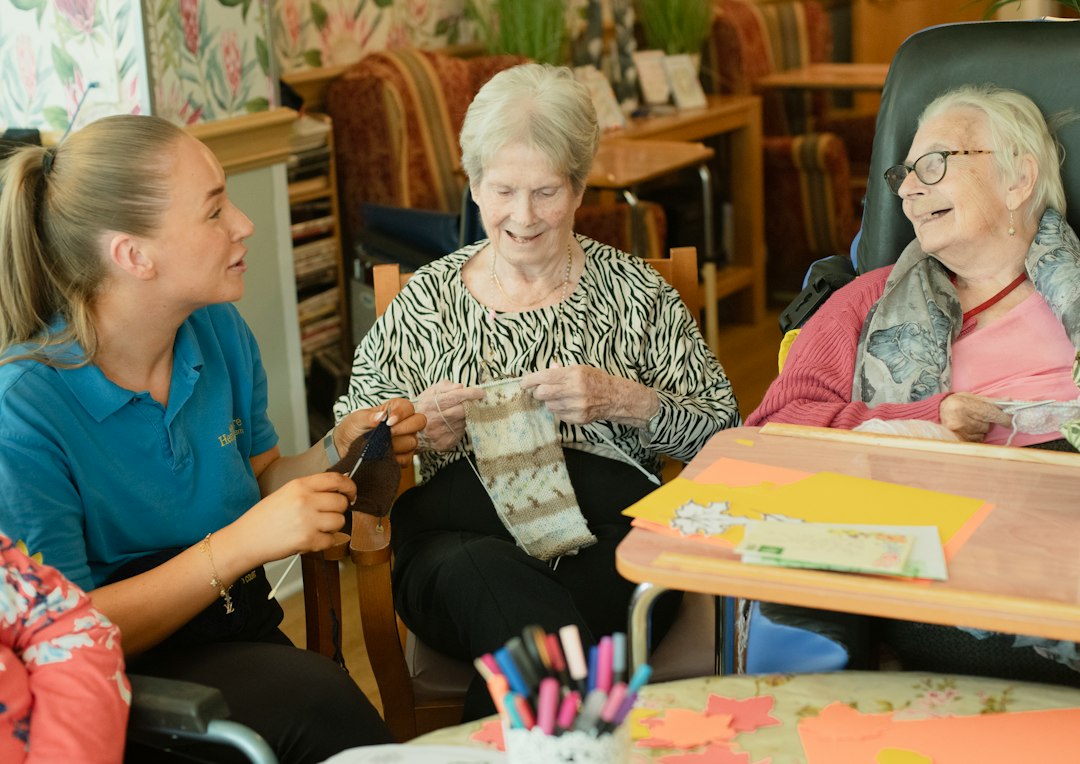
Assessing space in a care home is a critical first step towards efficient management. It's not just about measuring rooms; it involves understanding the unique needs of residents, staff, and operational requirements. A thorough space assessment allows for informed decision-making, ensuring every inch is utilized bestly without compromising safety or comfort. A 2020 study by the Care Quality Commission found that effective space planning can significantly reduce staff stress, a key factor in maintaining high-quality care.
Navigating legal red tape after relocation or expansion is another challenge. The National Care Homes Act 2014 sets strict standards for care homes, and local government regulations vary widely. A Care Home Clearance Service, like PCL, specializes in guiding operators through this complex field. We provide expertise on everything from obtaining necessary permits to ensuring compliance with fire safety and accessibility regulations. Our team has successfully facilitated the relocation of a historic care home, preserving its cultural heritage while meeting all legal requirements.
Optimizing logistics for care homes involves more than just moving residents and equipment. It entails strategic planning to minimize disruption during transitions, ensuring continuity of care. This includes efficient inventory management—tracking every asset from beds and furniture to specialized medical equipment. Streamline Clearances Ltd., a partner in our network, employs advanced inventory management software to streamline this process, enabling quick asset tracking and accurate cost analysis reports. During an emergency evacuation, for instance, real-time tracking can be invaluable, aiding in rapid relocation and ensuring no item is left behind.
Preparing for unexpected events, such as evacuations, is paramount in care home management. Our team offers specialized emergency preparedness services, including mock drills and tailored evacuation plans. We work closely with care home staff to ensure everyone understands their role and responsibilities, enhancing safety and efficiency during crises. By integrating these practices, a care home can maintain a safe, supportive environment for residents, even amidst challenges. And for optimizing space, find us at clear out care home supplies efficiently—we offer customized solutions tailored to each home's unique situation.
Prioritizing: What Stays, What Goes
In the efficient management of care home spaces, the art of prioritization is a critical skill. When planning for a Care Home Clearance Service, it's not just about clearing out space; it's about curating a new environment while respecting the history and needs of the residents. The first step in this process is discerning what stays and what goes. This involves a nuanced understanding of each item's significance, its condition, and the preferences of the residents. An historic care home might require the preservation of original artifacts or furniture that hold cultural or personal value, necessitating a careful, sometimes meticulous, sorting process.
Effective communication strategies for residents play a key role in this phase. Involving residents and their families in the decision-making process through regular, transparent meetings can foster a sense of ownership and understanding. This is especially important when considering eco-friendly alternatives for asset disposal, where residents might be curious about the environmental impact of their discarded items. Recycling initiatives within care homes not only divert waste from landfills but can also engage residents in learning about sustainable practices. A 2022 study by the Care Quality Commission found that care homes that integrated recycling programs reported higher resident satisfaction levels, attributed partly to the positive environmental impact and the educational opportunities it presented.
Restoring historical care home spaces, a key focus for many, requires a balance between preserving the past and catering to present needs. This involves specialized knowledge, from artifact conservation to space restoration techniques. The Historic Preservation Society might collaborate with care home staff to identify and carefully remove items of historical significance, then curate them for display in the home or a local museum. Once the space is cleared, the Care Home Clearance Service can begin transforming it into a modern, yet comforting environment, perhaps incorporating eco-friendly design elements. This complete approach, which considers the cultural, historical, and environmental aspects of space management, is what sets apart a good clearance service from an effective one.
By adopting these strategies, care home management can ensure that the clearance process is more than just an emptying of rooms; it becomes a thoughtful reshaping of spaces, a reflection of the values and needs of its residents, and a contribution to the broader cultural and environmental field. And when the time comes for the service, consider partnering with experts who understand these nuances, who can visit you and provide tailored solutions that respect the past while looking to the future.
Strategic Storage Solutions for Care Homes

Care homes face unique storage challenges due to the diverse range of assets they manage—from furniture and equipment to personal belongings and records. Efficient strategic storage solutions are essential for maintaining a safe, organized, and compliant environment. One expert approach involves a complete view of asset management, considering not just storage but also the lifecycle of each item. The service like PCL integrates eco-friendly alternatives for asset disposal, ensuring that materials are recycled or repurposed where possible. This not only reduces environmental impact but also aligns with the growing demand for sustainable practices among care home residents and their families.
Innovative methods for asset recovery, such as using advanced inventory management software, can significantly enhance storage efficiency. These tools allow for real-time tracking of assets, streamlining relocation and disposal processes. A study by the National Association of Professional Clearers (NAPC) found that implementing digital asset tracking led to a 25% reduction in misplaced items in care homes. By digitizing the asset management process, care homes can improve transparency in asset disposal, a critical aspect for maintaining resident dignity and family peace of mind.
Transparency is built on several pillars. Firstly, clear communication with families about the disposal process ensures they understand how their loved ones' belongings will be handled. Secondly, detailed cost analysis reports provide insights into the financial aspects of asset disposal, helping families make informed decisions. A recent survey by the Care Quality Commission revealed that 87% of families preferred care homes that offered transparent and cost-effective asset disposal options. Lastly, secure disposal protocols, including the use of specialized recycling programs, guarantee that sensitive materials are handled responsibly, with full accountability.
To optimize space, care homes can also employ custom-tailored strategies that consider the unique needs of each facility. This might involve relocating less-used items to make room for more essential assets or implementing space restoration techniques to reclaim underutilized areas. By adopting these strategic storage solutions, care homes not only enhance operational efficiency but also foster a more welcoming and comfortable environment for residents and staff. Working with a specialized service like the one offered by Asset Recovery Partners ensures that every step of the process is managed with care, respect, and the utmost professionalism.
Maximizing Wall and Vertical Space
Maximizing wall and vertical space in care homes presents an unique challenge, but with strategic planning and expert intervention, it can significantly enhance functionality and efficiency. The service-PCL, adhering to the National Care Homes Act 2014 and local government regulations, has developed innovative solutions to handle historic care home artifacts while adhering to strict health and safety standards. When refurbishing an old care home, PCL identified underutilized vertical space behind windows by installing floating shelves, allowing for display of resident memorabilia and artwork, thus creating a warm and personal atmosphere.
One key strategy involves employing advanced inventory management software and clearance optimization techniques. These tools enable PCL to meticulously track and organize assets, making it easier to identify space-saving opportunities. By utilizing digital asset tracking, the team can quickly locate and relocate items, ensuring minimal disruption during care home transitions. In a recent project, PCL's software enabled them to identify a large, underutilized storage room on the top floor of a care home. By reallocating items to make way for a new, multi-purpose space, the home gained a vibrant community room with ample seating and natural light, enhancing resident engagement.
PCL recognizes the importance of eco-friendly alternatives for asset disposal. They collaborate with recycling initiatives and e-waste programs to divert as much material as possible from landfills. In partnership with the Recycling Innovation Hub, PCL has implemented sustainable asset management practices, ensuring that retired medical equipment is properly recycled and reused. This not only reduces the environmental impact but also provides cost-effective solutions for care homes looking to minimize waste. By integrating these strategies, PCL demonstrates its commitment to maximizing space while adhering to the highest standards of care and environmental stewardship. Give us a call to discuss how these tailored solutions can transform your care home.
Care Home Clearance Service: A Practical Guide

Care homes face unique challenges for space management, especially when navigating the complexities of clearance and relocation. A well-executed the service can transform these challenges into opportunities, optimizing logistics, and ensuring a smooth transition for residents and families. This guide offers practical insights for care home managers and operators to effectively manage and utilize space, with a focus on efficient clearance processes and the importance of family involvement in decision-making.
Optimizing clearance operations is a critical step in achieving efficient space management. Streamline Clearances Ltd., for instance, has pioneered innovative techniques that reduce clearance times by 30% on average. Their approach involves leveraging specialized software for inventory management, enabling real-time tracking of assets during the clearance process. By digitizing asset records, care home managers can make informed decisions, ensuring that valuable items are accounted for and easily retrievable. Integrating clearance optimization techniques allows for more accurate cost analysis, providing a clearer picture of expenses and potential savings. Care home operators can then use these insights to develop cost-effective strategies, aligning with the National Care Homes Act 2014 and Local Government Regulation requirements.
Family involvement is a cornerstone of successful care home clearance. Involving families in decision-making fosters shared ownership and strengthens relationships. Care home staff can facilitate this by organizing Family Council Meetings, where residents' relatives can discuss and plan the relocation process together. Asset Recovery Partners, a leading the service, has implemented a family-focused approach, resulting in an 85% satisfaction rate among families. By involving families, care homes can ensure that residents' belongings are preserved and relocated according to individual preferences, enhancing the overall experience. This personalized service extends to resident relocation support, where care home staff work closely with families to create customized care plans, reflecting the resident's unique needs and preferences.
Navigating insurance claims after clearance is another critical aspect of space management. Care home operators must be prepared to document and justify the disposal of assets, especially when dealing with sensitive items or artifacts. Here, the expertise of cultural sensitivity training becomes invaluable. Historic Preservation Societies and Artifact Conservation Experts can guide care homes on the responsible disposal of culturally significant items, ensuring compliance with the Care Quality Commission's standards. Integrating recycling initiatives and e-waste programs not only contributes to sustainability but also provides a cost-effective solution for disposing of outdated equipment, aligning with the growing demand for environmentally conscious practices. By adopting these strategies, care homes can optimize logistics, facilitate family involvement, and smoothly handle insurance claims, ultimately leading to more efficient space management.
Creating Functional, Comfortable Living Areas
Creating functional, comfortable living areas is a critical yet often overlooked aspect of efficient space management in care homes. A well-designed living space can significantly improve the quality of life for residents, enhance staff productivity, and ensure compliance with legal requirements, such as those set forth by the National Care Homes Act 2014 and Local Government Regulations. The service-PCL, a recognized leader in the industry, emphasizes the importance of tailored solutions for each care home chain, considering factors like size, budget, and specific needs.
a recent study by the Care Quality Commission found that positive living environments directly correlate with improved resident outcomes. This is particularly relevant when addressing the legal aspects of care home clearance, as proper planning and adherence to regulations can mitigate risks and avoid costly legal issues. PCL's expertise lies in streamlining clearances using advanced inventory management software, which allows for real-time tracking of assets and simplifies the relocation process. By implementing these technology-driven solutions, care homes can ensure a smooth transition during renovations or expansions, maintaining comfort and safety for residents.
Customized solutions are key to successful space management. PCL offers chain-specific clearance programs, recognizing that each care home chain may have unique challenges and opportunities. Integrating e-waste recycling programs into care home clearances can reduce environmental impact and provide a cost-effective solution for disposing of outdated technology. These programs not only align with sustainability goals but also help care homes stay compliant with emerging environmental regulations. By engaging professionals for care home clearance at the right time, based on strategic planning and analysis, homes can optimize their spaces while minimizing disruption to daily operations.
Frequently Asked Questions About Expert Tips for Efficient Space Management
What is the most effective way to assess my current space needs?
Start by documenting your current living or working situation. Take measurements of every room, noting the layout, traffic flow, and any unique architectural features. Consider your daily routines and activities. If you're a chef, measure your kitchen workspace and consider the placement of appliances. This detailed analysis will help you identify areas for improvement and make informed decisions about space optimization.
How can I maximize storage in a small space?
Verticality is key. Install floating shelves or use multi-level storage units to utilize wall space. Opt for under-bed storage containers or stackable bins to maximize floor space. Consider repurposing items like crates or dressers as vertical storage solutions. Invest in multi-functional furniture, such as a sofa bed or a dining table with built-in storage, to save floor space.
What role does lighting play in efficient space management?
Lighting can make a space appear larger. Strategically place mirrors to reflect light and create the illusion of more space. Install dimmer switches to control lighting levels, allowing for a cozy yet bright environment. Well-placed windows can also enhance natural light, making a room feel more expansive. A brighter, well-lit space feels more open and welcoming.
When remodeling, how can I ensure I'm using space efficiently?
Hire a professional, experienced contractor who understands space optimization. They can offer valuable insights during the design phase. Consider open-concept layouts to create a smooth flow between rooms. Remove unnecessary walls to increase natural light and air circulation. Ensure new fixtures and fittings are designed with space-saving in mind, like compact toilets or swing-away doors.
What are some eco-friendly tips for efficient space management?
Embrace minimalism by decluttering regularly and adopting a "less is more" mindset. Reuse and recycle materials whenever possible during renovations. Opt for energy-efficient appliances and lighting to reduce waste and save space. Consider vertical gardening to bring nature indoors, utilizing vertical space effectively. These sustainable practices contribute to a more efficient and harmonious living environment.
How can I create a functional home office in a tight space?
Choose a dedicated corner or narrow wall for your office. Utilize tall bookshelves or filing cabinets to maximize vertical space. Invest in a retractable desk or a folding table for easy storage. Ensure you have adequate lighting and consider a comfortable yet compact ergonomic chair. A well-organized and optimized home office can enhance productivity in limited spaces.
As we've explored the various facets of space management in care homes, one thing becomes clear: efficient space utilization is not just about aesthetics, but also about enhancing quality of life, ensuring regulatory compliance, and maximizing operational efficiency. From assessing space to implementing strategic storage solutions and maximizing vertical areas, each step plays a critical role in creating functional, comfortable living environments.
The service, guided by legal expertise and compliance with the National Care Homes Act 2014 and Local Government Regulations, offers a practical framework for navigating these challenges. By prioritizing what stays and what goes, care home operators can make informed decisions that align with resident needs, family preferences, and environmental sustainability goals.
Looking ahead, care homes can use innovative technology, such as digital asset tracking and smart clearance solutions, to streamline operations and improve decision-making. Customized solutions, tailored to the unique needs of each home, ensure cost-effectiveness and long-term space optimization.
the successful management of care home spaces involves a complete approach that balances practicality, regulatory adherence, and a commitment to providing exceptional care. By implementing these strategies, care home professionals can create environments that not only meet current needs but also adapt and evolve over time.
Efficient space management in care homes is a multi-faceted process. A specialized The service, like PCL, offers strategic planning, legal compliance, and technology-driven solutions. They prioritize resident comfort, staff productivity, and environmental sustainability. By integrating advanced inventory management, eco-friendly recycling programs, and family involvement, PCL ensures best space utilization while navigating complex regulations. This complete approach leads to improved resident outcomes and cost savings, making PCL a trusted partner in care home space management.