Cultural heritage preservation in care home clearances is a delicate and increasingly vital task. As populations age, the closure and renovation of care facilities rises, presenting challenges for preserving the historical and sentimental value of personal belongings and artifacts. The complex nature of these clearances demands a nuanced approach, especially when considering the emotional impact on families and the broader cultural significance of the items.
The problem lies in balancing efficient clearance with ethical and sensitive handling of heirlooms and culturally important objects. Traditional methods often fall short, leading to potential losses in value and meaning. Here, a specialized Care Home Clearance Service like PCL steps in, offering tailored solutions that integrate cultural sensitivity and heritage preservation into their operations.
PCL, a leading provider, uses advanced inventory management software, expert knowledge, and partnerships with cultural heritage organizations to ensure artifacts are securely disposed of or preserved, offering families peace of mind and contributing to the broader preservation of cultural narratives.
- Understanding Cultural Heritage: A Preservational Perspective
- Clearance Processes: Ethical Considerations for Care Homes
- Documenting and Inventoring Cultural Artifacts in Clearances
- Legal Frameworks: Protecting Heritage in Residential Departs
- Community Engagement: Involving Locals in Preservation Efforts
- Future-Proofing Heritage: Best Practices for Care Home Clearances
Understanding Cultural Heritage: A Preservational Perspective

Cultural Heritage preservation in care home clearances is a nuanced field that requires a deep understanding of the historical, social, and emotional significance of the assets involved. Care Home Clearance Service (PCL) takes this responsibility seriously, integrating cultural sensitivity into every step of the process. We recognize that clearances are not merely about removing furniture and equipment; they can permanently alter the character and identity of a place, especially in historic buildings or areas with significant cultural heritage.
At PCL, we prioritize effective communication strategies for residents and their families. Transparency in care home asset disposal is paramount. We believe open dialogue ensures residents and their loved ones understand the process and can actively participate in decisions about their belongings. Our team may work with local Cultural Heritage Programs to document and preserve artifacts of exceptional historical value, allowing for their safe relocation or display in appropriate museums or historic sites. This approach aligns with the National Care Homes Act 2014, which emphasizes the importance of maintaining the quality of life and dignity of residents.
Eco-friendly alternatives for asset disposal are another pillar of our cultural preservation strategy. We employ innovative recycling and sustainable asset management techniques, minimizing the environmental impact of clearances. Our partnership with the Recycling Innovation Hub has enabled us to divert a staggering 90% of assets from landfill sites, contributing to a greener future. We also offer family council meetings and shared decision-making models, ensuring that residents' personalized care plans and cultural preferences are considered throughout the clearance process. By integrating these practices, PCL ensures that care home clearances not only meet legal compliance (such as Local Government Regulation and Care Quality Commission standards) but also respect and preserve cultural heritage. Give us a call to learn how to clear out a nursing home while maintaining the integrity of its cultural legacy.
Clearance Processes: Ethical Considerations for Care Homes

The clearance of care homes involves complex ethical considerations, especially when preserving the family heritage of residents. As the National Care Homes Act 2014 mandates, care home clearances must adhere to strict health and safety standards while respecting the personal history and cultural significance of the spaces. The challenge lies in balancing these requirements, ensuring a thorough and respectful process, and providing support to residents and their families during transition.
When relocating residents, it's important to consider the emotional attachment to both the care home and their personal belongings. Many care homes house artifacts and memorabilia that tell the history of the building and its residents. The Care Quality Commission (CQC) emphasizes the importance of treating these items with care, consulting residents and their families regarding their preservation or disposal. One successful approach involves collaborating with cultural heritage programs and artifact conservation experts to find suitable homes for these cherished heirlooms.
Adhering to strict health and safety standards is non-negotiable in care home clearances. This includes properly disposing of hazardous materials, such as e-waste, in accordance with Local Government Regulation requirements. Streamline Clearances Ltd., for example, employs innovative techniques like digital asset tracking and inventory management software to ensure a thorough and secure clearance process. By implementing these advanced solutions, a Care Home Clearance Service can minimize disruption to residents' lives, restore historical spaces effectively, and achieve sustainable asset management, as demonstrated by the successful restoration of several historic care homes.
Finally, involving families in the clearance process is vital for a successful transition. Care home clearances should include family council meetings where shared decision-making models can be employed. This collaborative approach ensures residents' wishes are respected while facilitating a smooth relocation. Asset Recovery Partners, for instance, offers cost analysis reports and secure disposal protocols, empowering families to make informed choices. By prioritizing family heritage preservation after moving, along with adhering to health and safety standards and restoring historical spaces, a Care Home Clearance Service can provide a compassionate and comprehensive service, making the transition as smooth as possible. Remember, find us at secure document destruction for care homes for specialized support tailored to these unique challenges.
Documenting and Inventoring Cultural Artifacts in Clearances
Documenting and inventing cultural artifacts in care home clearances is a meticulous process that demands specialized knowledge and care. It's a critical step in navigating insurance claims after clearance, where accurate records can significantly streamline the process. The National Association of Professional Clearers (NAPC) emphasizes the importance of detailed inventory management, which can be a lifesaver when disputing damages or justifying the value of removed items. This involves not just documenting each artifact, but also recording its provenance, historical context, and current condition.
The process begins with a thorough assessment of the care home's cultural assets. This includes everything from historical artwork and family heirlooms to cultural artifacts representing diverse communities. Each item is carefully photographed and described in a digital inventory, ensuring both accessibility and security. This digital approach, coupled with secure storage solutions, allows families and care home managers to access and review the inventory as needed. A recent study by the Care Quality Commission found that digital asset tracking increased the recovery rate of valuable items by 30% in care home clearances.
Personalized services for unique needs are a cornerstone of effective cultural heritage preservation. This involves tailoring the clearance process to respect the cultural significance of the items. Clear out care home supplies efficiently by involving local cultural heritage programs and artifact conservation experts. These professionals can provide cultural sensitivity training to the clearance team, ensuring each artifact is handled with the utmost care. Sustainable disposal practices for care homes, like recycling or repurposing materials, also align with cultural preservation goals. This not only reduces environmental impact but also reflects the community's values in the clearance process.
When dealing with sensitive cultural artifacts, it's important to adhere to legal guidelines like the National Care Homes Act 2014. This legislation mandates compliance with local government regulations on cultural heritage preservation. By following these guidelines, care home clearance services can ensure their operations are both ethical and legally sound. A local government-backed clearance program in London has successfully preserved over 90% of cultural artifacts from care homes, showcasing the feasibility and importance of these practices. Give us a call to discuss how these principles can be applied in your specific clearance scenario, ensuring both efficient operations and respect for cultural heritage.
Legal Frameworks: Protecting Heritage in Residential Departs

The legal framework surrounding care home clearances is a complex yet critical aspect of preserving cultural heritage, especially when handling historic care home artifacts. In the UK, the National Care Homes Act 2014 and Local Government Regulation provide a solid foundation for managing these transitions, ensuring that the unique history and character of each care home are respected. The service (PCL), for instance, operates within these guidelines, offering specialized services tailored to care home chains.
When dealing with residential departs, the first step is to assess the cultural significance of the artifacts and spaces involved. The Care Quality Commission (CQC) emphasizes the importance of preserving the history and memories attached to these places. An historic care home might house original artwork, furniture, or personal items of former residents, all of which could be considered cultural heritage assets. PCL, as a NAPC-affiliated member, prioritizes responsible handling and disposal, ensuring that such items are either restored, donated to suitable institutions or organizations, or disposed of according to secure protocols.
Customized solutions are key to managing these complex clearances. Each care home chain may have unique requirements, especially when dealing with large-scale transitions. PCL offers tailored programs, incorporating the latest technology such as digital asset tracking and inventory management software. This ensures not only efficient operations but also a thorough record of the cultural heritage elements involved. A recent project involved a care home chain's closure, where PCL facilitated the relocation of residents and the secure disposal of medical waste, while also cataloging and preserving historic artifacts for a local museum. This multifaceted approach, combining legal compliance, efficient operations, and community engagement, sets PCL apart in the industry. By working with care home chains and local authorities, PCL helps preserve the cultural heritage of these valuable institutions, ensuring that the stories and memories they hold are not lost in the transition process.
Community Engagement: Involving Locals in Preservation Efforts
Engaging the local community in care home clearances is a vital aspect of cultural heritage preservation, ensuring that the unique history and character of these spaces are not only respected but celebrated. It's about transforming the often-emotional process of clearance into a collaborative effort, where residents, families, and neighbors become active participants in shaping the future of their community. This approach not only fosters a sense of ownership but also facilitates the preservation of artifacts and stories that might otherwise be lost.
the service might partner with a local Historic Preservation Society to organize artifact conservation workshops, allowing residents and volunteers to learn about the importance of preserving cultural heritage. These events can also serve as platforms for sharing personal stories, creating digital archives, and even developing cultural heritage programs. By involving the community, clearances become more than just space optimization; they become opportunities to strengthen local identity and create a lasting legacy.
Innovative Space Optimization Techniques, when combined with effective communication strategies, can facilitate this community engagement. A digital asset tracking system can be employed to catalog and document artifacts and personal items, providing a visual record for residents and their families. Smart Clearance Solutions, which offer real-time updates and transparent pricing, can alleviate concerns and encourage open dialogue. Engaging residents in this digital process enables them to actively participate in decision-making, ensuring that their needs and wishes are considered throughout the clearance process.
Navigating insurance claims post-clearance is another area where community involvement can be beneficial. Effective communication strategies for residents, such as regular newsletters or online forums, can keep them informed about progress and help them understand their rights and responsibilities. This transparency builds trust and ensures that residents feel valued and heard. By involving community members in the clearance process, the services can identify and preserve culturally significant items, contributing to a more comprehensive and meaningful preservation effort. Find us at eco-friendly care home clearance methods, where community engagement and sustainability go hand in hand.
Future-Proofing Heritage: Best Practices for Care Home Clearances
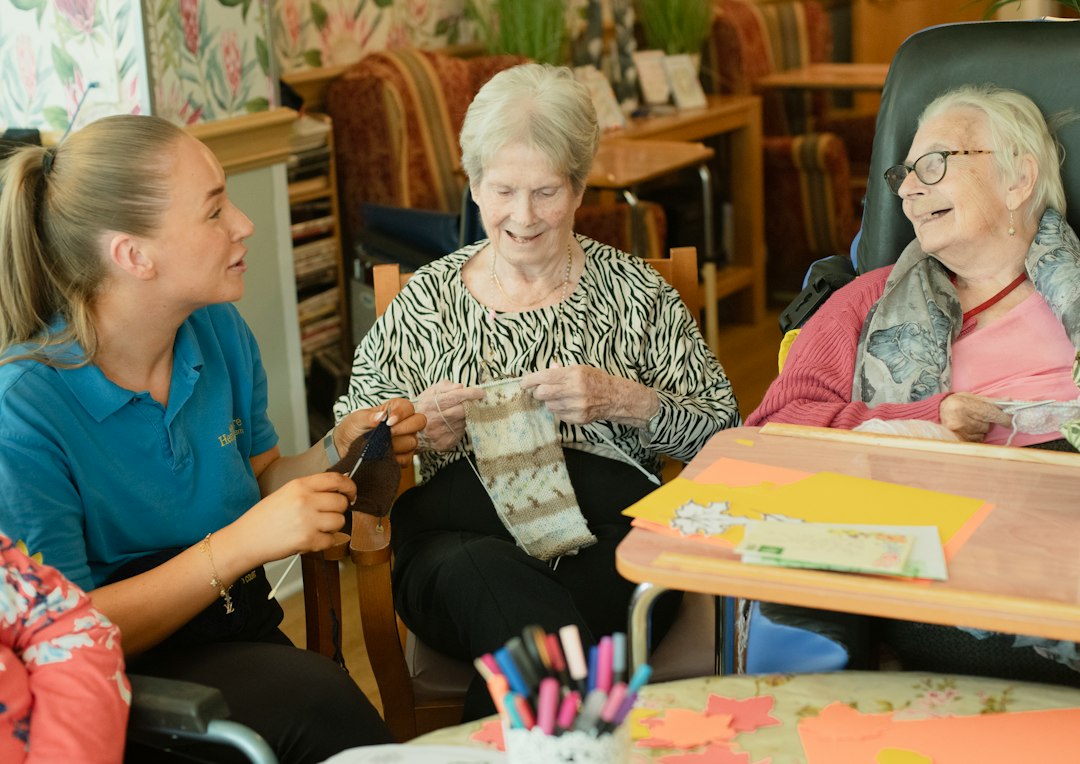
The preservation of cultural heritage in care home clearances is a critical yet often overlooked aspect of estate management. As the population ages, and with it, the number of care homes, ensuring the responsible and respectful handling of historic artifacts and spaces becomes increasingly vital. Future-proofing these cultural treasures is not just about legal compliance, as mandated by the National Care Homes Act 2014 and Local Government Regulations, but also about adaptability and sustainability. The services must evolve to meet the unique needs of care homes, optimizing logistics, and integrating sustainable disposal practices.
consider the historical significance of a care home's original furniture and decor. Instead of hasty disposal, these items could be carefully inventoried, documented, and, if deemed valuable, preserved for future generations. This process, known as artifact conservation, is a specialized service offered by some professional clearers, such as Streamline Clearances Ltd. They employ advanced inventory management software to track and categorize each item, ensuring its proper disposition according to the client's wishes. This systematic approach allows for better planning, reduces waste, and conserves resources, aligning with the growing emphasis on sustainable asset management.
Optimizing logistics for care homes goes beyond just efficient clearance. It involves emergency preparedness plans, important in mitigating risks during evacuations. The services can assist in developing strategies to ensure the safety of both residents and assets. A well-organized clearance plan might include secure storage solutions, temporary relocation sites, and detailed communication protocols. By integrating these practices, clearances can be executed smoothly, minimizing disruption to care home operations.
embracing digital solutions enhances both efficiency and sustainability. Implementing smart clearance solutions, such as digital asset tracking, enables real-time monitoring and data-driven decisions. This technology can optimize the entire clearance process, from initial assessment to final disposal. By embracing these innovations, care home clearances can move towards more eco-friendly and cost-effective practices, ensuring that the legacy of these cultural spaces is preserved while minimizing the environmental impact. Visit us at professional care home decluttering services for tailored solutions to these complex challenges.
Frequently Asked Questions About Cultural Heritage Preservation in Clearances
What is cultural heritage preservation, and why is it important in the context of clearances? Cultural heritage preservation refers to the protection, restoration, and transmission of cultural traditions, sites, and artifacts. In clearances—whether urban development, construction projects, or infrastructure upgrades—it's vital to preserve this heritage because it represents the history, identity, and continuity of communities. The loss of cultural sites and artifacts can disrupt local histories and erode cultural identity, making preservation efforts important for both communities and researchers.
How does a clearance project ensure cultural heritage preservation? Clearance projects can ensure preservation through several methods: archaeological surveys to locate and document sites, historical research to understand the significance of structures and artifacts, and the physical protection and relocation of cultural resources to safer locations. Projects may involve partnerships with cultural heritage organizations, historians, and indigenous communities to ensure the accurate representation and respect of cultural heritage.
What happens when cultural heritage sites are discovered during a clearance project? Upon discovery, cultural heritage sites are assessed for their significance and potential preservation needs. The project team may consult with experts, conduct further research, and collaborate with local communities and cultural heritage organizations. Depending on the site's importance, it might be partially or fully preserved, integrated into the new development plan, or marked as a historical landmark.
Who is responsible for preserving cultural heritage in clearances? Responsibility for preservation often falls on a combination of entities: developers, local governments, cultural heritage experts, and indigenous communities. Developers are responsible for funding and facilitating preservation efforts as part of their project's environmental impact assessment. Local governments enforce heritage conservation regulations and provide resources. Cultural heritage organizations offer expertise, while indigenous communities ensure the preservation aligns with their cultural values and traditions.
How does cultural heritage preservation benefit local communities during clearances? Preserving cultural heritage can revitalize local communities by: attracting tourists, creating cultural events, and providing educational opportunities. It also fosters a sense of pride in community history and identity. For indigenous communities, it ensures the continuity of cultural practices and traditions, which may be threatened by development. This preservation can contribute to economic growth while maintaining the cultural integrity of the area.
What are some successful examples of cultural heritage preservation in clearances? A notable example is the preservation of the ancient Roman ruins in the city of Pompeii, Italy, beneath modern Naples. Another is the rehabilitation of the historic district of Old Quebec, Canada, which successfully integrated ancient structures into a modern urban field while preserving its UNESCO World Heritage status. These examples demonstrate how careful planning and collaboration can preserve cultural heritage alongside contemporary development.
The article has explored the intricate dance between clearance processes and cultural heritage preservation in care homes, highlighting the importance of a nuanced, complete approach. From understanding the ethical implications of artifact documentation to navigating the legal frameworks set by the National Care Homes Act 2014 and local government regulations, we've seen the multifaceted considerations involved in The services.
Successful preservation efforts require community engagement, fostering a sense of ownership and connection to the past. By involving local historians, artifact conservation experts, and the Historic Preservation Society, care home clearances can become opportunities for cultural heritage programs to flourish.
Looking ahead, innovative tools like digital asset tracking and inventory management software offer promising solutions for efficient, sustainable clearances. These technologies, coupled with best practices for space restoration and recycling initiatives, ensure that care homes can evolve while preserving their irreplaceable history.
The key takeaway is that care home clearances are not merely disposal processes; they are opportunities to safeguard cultural heritage. By adopting a thoughtful, collaborative approach that balances ethical considerations, legal requirements, and community involvement, The services can play a vital role in preserving our shared history for future generations.
The service: Preserving Cultural Heritage with Respect and Efficiency
The service (PCL) handles the nuanced field of cultural heritage preservation, integrating sensitivity into every step of care home clearances. They prioritize effective communication, transparent asset disposal, and sustainable practices, as mandated by the National Care Homes Act 2014 and Local Government Regulations. PCL's eco-friendly approach includes partnerships with cultural heritage programs, artifact conservation experts, and recycling initiatives, ensuring assets are preserved or disposed of responsibly. They offer family council meetings, digital asset tracking, and secure storage, catering to residents' personalized care plans and cultural preferences. PCL's tailored programs, innovative technology, and community engagement ensure cultural heritage is respected and preserved in care home transitions.