The professional and responsible clearance of care homes is a critical yet often overlooked aspect of the healthcare and housing sectors. With the increasing demand for care home placements and the subsequent growth in resident numbers, efficient and compliant clearance operations are more essential than ever. The challenge lies in navigating the complex web of legal requirements, from the National Care Homes Act 2014 to Local Government Regulations, while ensuring the dignity and respect of residents' personal belongings.
The Care Home Clearance Service-PCL, drawing on expertise from the National Association of Professional Clearers (NAPC) and guided by the Care Quality Commission, offers a comprehensive solution. By leveraging advanced inventory management software and optimized clearance techniques, this service ensures strict adherence to health and safety standards, facilitating a smooth transition for residents and families.
- Understanding Legal Obligations for Care Homes
- Developing a Comprehensive Health & Safety Plan
- Training Staff: Essential for Care Home Safety
- Regular Inspections: Identifying and Mitigating Risks
- Care Home Clearance Service: Ensuring a Safe Environment
Understanding Legal Obligations for Care Homes
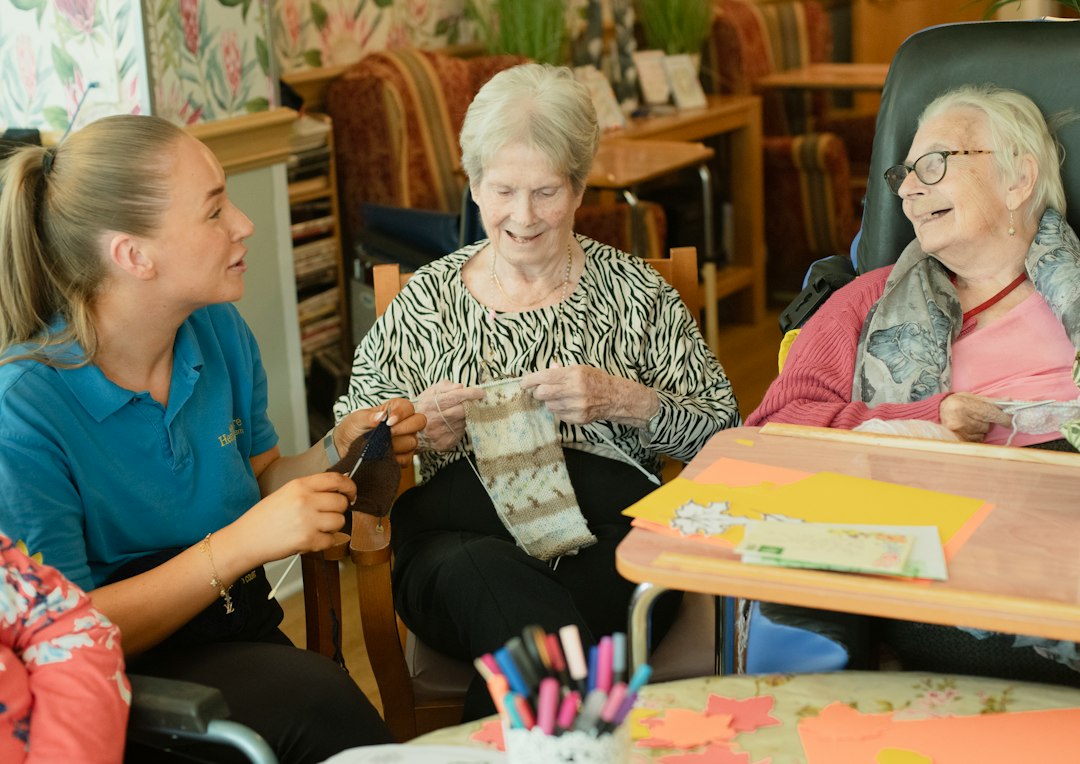
In the highly regulated environment of care homes, adhering to health and safety standards is not merely a best practice but an indispensable legal requirement. The National Care Homes Act 2014 and Local Government Regulation mandate that care homes maintain safe and sanitary environments for their residents. This includes proper clearance and disposal procedures, especially during end-of-life situations or when relocating residents. The service, like PCL, matters in ensuring these standards are met, while also building strong relationships with families.
Family involvement in decision-making processes is a critical aspect of providing personalized care. When a resident's assets need to be cleared, families should be actively engaged in the process. The service should facilitate this by offering transparent communication and flexible options. PCL provides a platform for families to participate in asset sorting and selection, ensuring cultural artifacts and sentimental items are treated with the utmost respect. This approach aligns with the legal obligations under the Care Quality Commission's guidelines, which emphasize the importance of cultural sensitivity in care home practices.
Clearance procedures in care homes require a nuanced understanding of cultural sensitivity, especially when dealing with historic artifacts or items of cultural heritage. The service must be adept at navigating these complexities. When dealing with an estate belonging to a member of a Historic Preservation Society, a professional service will have experts who can assess and preserve significant cultural items. This not only ensures legal compliance with regulations like the National Association of Professional Clearers (NAPC) standards but also demonstrates a commitment to responsible clearance practices.
a forward-thinking The service integrates innovative technology into its operations. Digital asset tracking, for instance, allows for efficient inventory management while ensuring the security and privacy of sensitive data. By combining these advanced tools with a deep understanding of legal obligations, the service can provide smooth, cost-effective solutions tailored to the unique needs of each care home. This complete approach, which includes recycling initiatives and sustainable asset management, not only meets current regulations but also prepares care homes for future legal and environmental standards. Find us at care home estate sale to experience this comprehensive, yet personalized, service firsthand.
Developing a Comprehensive Health & Safety Plan

In the highly regulated environment of care homes, adhering to health and safety standards is paramount. A comprehensive Health & Safety Plan (HSP) serves as the cornerstone for any The service, ensuring that every aspect of the clearance process complies with legal requirements and best practices. The National Care Homes Act 2014 and Local Government Regulations provide a solid framework, while the Care Quality Commission (CQC) offers guidance on maintaining high standards of care and safety. The National Association of Professional Clearers (NAPC) further emphasizes the importance of professional clearance services in adhering to these standards.
A well-crafted HSP involves a multi-faceted approach. Integrating Sustainable Solutions for Waste Reduction can significantly minimize environmental impact. Innovative Methods for Asset Recovery, such as digital inventory management and smart clearance solutions, not only enhance efficiency but also maximize the value of recovered assets. Ensuring Privacy During Clearance Processes is critical, with strict protocols in place to safeguard sensitive resident information. This includes the use of secure disposal protocols, data protection measures, and trained staff to maintain confidentiality.
The development of the HSP should be collaborative, involving the service, facility management, and, where applicable, family members or the resident council. Regular reviews and updates are essential to accommodate changing regulations and operational needs. A recent study by the Historic Preservation Society highlighted the importance of cultural sensitivity in care home clearances, particularly when dealing with artifacts and cultural heritage programs. This emphasizes the need for tailored, personalized services that respect the unique history and culture of each care home.
When considering a clearance service, it's important to look for one that embraces these principles. Visit us at [brand/website] to explore how our tailored solutions and adherence to the latest standards can streamline your care home clearance process. By prioritizing a comprehensive HSP, care home operators can maintain a safe, efficient, and respectful environment for residents and families alike.