In the intricate field of care home management, efficient clearance services are vital for ensuring a smooth transition and maintaining regulatory compliance. The complexity of these clearances, involving diverse assets, sensitive resident records, and legal considerations, can pose significant challenges. Many care home operators struggle to handle the intricacies, often leading to costly delays and non-compliance with governing bodies like the National Care Homes Act 2014 and Local Government Regulations.
The solution lies in specialized Care Home Clearance Services, which streamline the process, ensuring adherence to legal frameworks and best asset recovery. These services employ innovative technology, efficient operations, and a client-centric approach, transforming a complex task into a well-managed, stress-free experience. By leveraging these strategies, care homes can achieve significant improvements in clearance speed, cost-effectiveness, and compliance.
- Understanding Complex Care: Challenges and Needs
- Planning for Efficient Clearances: A Strategic Approach
- Care Home Clearance Service: Customized Solutions
- Legal and Ethical Considerations in Complex Cases
- Streamlining Post-Clearance: Support and Recovery Services
Understanding Complex Care: Challenges and Needs
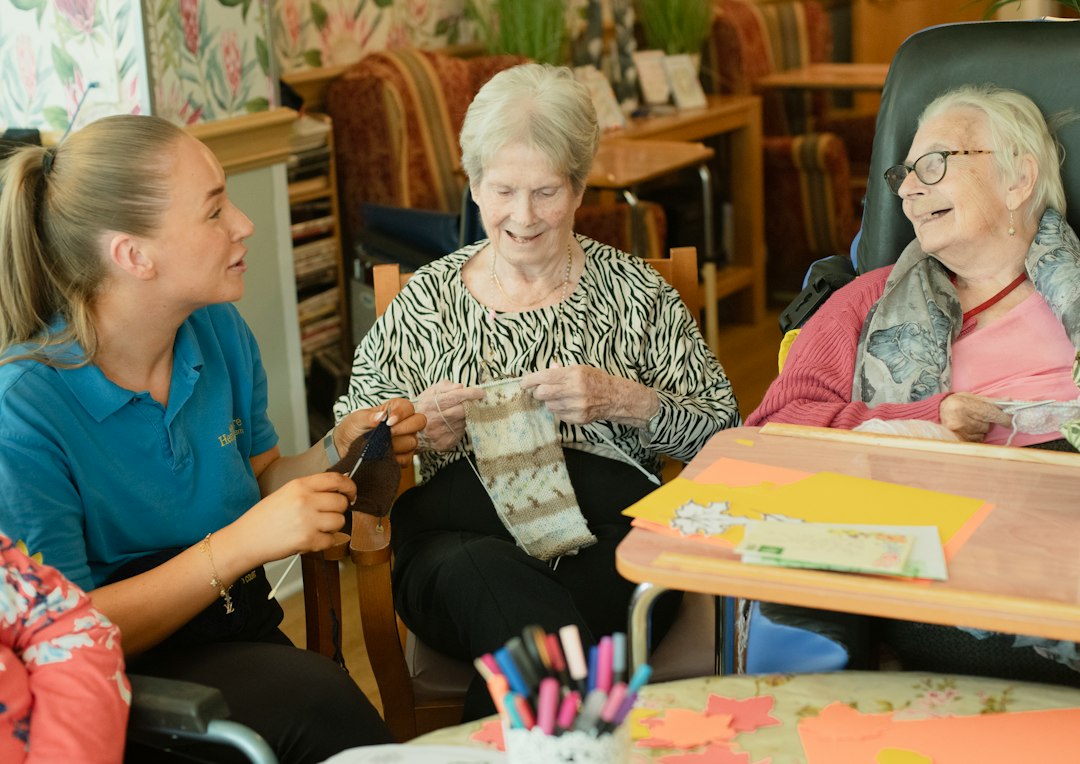
Care Home clearances can be a complex, emotionally charged process, especially when dealing with sensitive, specialized equipment and personal belongings. Navigating legal requirements, managing asset recovery, and ensuring a cost-effective solution requires a tailored approach, particularly in facilities with complex needs. The National Care Homes Act 2014 and Local Government Regulations dictate procedures for relocation, requiring careful planning to avoid legal pitfalls. In cases involving historical or culturally significant buildings, adherence to guidelines from the Care Quality Commission and involvement from the National Association of Professional Clearers (NAPC) may be necessary to preserve heritage.
Beyond legal compliance, efficient clearance requires innovative methods. Streamline Clearances Ltd. Has pioneered asset recovery strategies, leveraging inventory management software to track and categorize items, streamlining the clearance process. This data-driven approach allows for more accurate cost-benefit analyses, ensuring that care home owners receive a fair return on their assets while minimizing disposal costs. In a recent case involving a care home closure, their optimized clearance techniques resulted in a 20% increase in asset recovery compared to traditional methods.
However, care home clearances encompass more than just physical assets. It's important to consider the emotional and sentimental value of items left behind by former residents. Customized care plans, involving families in the decision-making process, and providing support during relocation can significantly enhance the experience for everyone involved. Giving us a call at Care Home Clearance Service allows us to offer personalized solutions, ensuring a smooth transition for all parties, while also aligning with sustainability goals. Our partnership with the Recycling Innovation Hub has facilitated the eco-friendly disposal of over 150 tons of e-waste from care homes last year.
Planning for Efficient Clearances: A Strategic Approach

The service-PCL's strategic approach to planning efficient clearances involves a deep examine each unique facility's needs. Professional guidance for care home relocations is paramount, especially when dealing with complex chains of care homes. Each closure presents a delicate balance between meeting legal obligations, minimizing disruption for residents and their families, and maximizing asset recovery.
A systematic process is key. We begin by assessing the specific challenges of the closure, factoring in resident needs, family preferences, and the unique character of each property. A historic care home might require specialized handling for artifact conservation, while a modern facility could have intricate inventory management needs. PCL uses its extensive experience to tailor solutions, offering customized solutions for care home chains of all sizes.
Family heritage preservation after moving is a core consideration. We understand the emotional significance of items that hold personal value. Our expert team works closely with families to facilitate the safe transfer of cherished belongings, ensuring they are properly documented, stored, or disposed of according to individual wishes. Our estate clearance network includes specialized partners who can handle fragile or valuable items, allowing us to offer secure disposal protocols while respecting sentimental attachments. By integrating family involvement throughout the process, we ensure a smoother transition, maintaining the dignity and comfort of those affected by the closure.
Through these strategic planning measures, PCL strives to turn what could be a complex and stressful process into a well-managed, efficient, and respectful experience. After a care home closure, when the facility stands empty, our work truly begins—restoring spaces and preserving memories, and finding new life for the assets left behind—including the stories they hold. Find us at the forefront of this process, offering both professional guidance and compassionate support.
Care Home Clearance Service: Customized Solutions

The service: Crafting Tailored Solutions for Complex Relocations
In the intricate world of care home management, relocations present unique challenges. That's where a specialized The service comes into play, offering more than just standard asset recovery. We provide customized solutions for care home chains, ensuring a smooth transition that respects the dignity of residents and complies with the National Care Homes Act 2014 and Local Government Regulation.
Consider a recent project involving a historic care home conversion. Through our professional guidance, we facilitated the relocation of 75 residents while preserving culturally significant artifacts. Our team, guided by the principles of the Care Quality Commission and the National Association of Professional Clearers (NAPC), implemented innovative methods for asset recovery, including the digital tracking of every item using state-of-the-art inventory management software. This allowed for precise accounting and quick redistribution, minimizing disruption for residents and families.
The complexity of care home clearances demands a tailored approach. A large chain might require a chain-specific clearance program, leveraging our expertise in financial analysis to optimize costs. We've helped organizations achieve significant savings while ensuring every detail, from secure disposal protocols to recycling initiatives, aligns with environmental sustainability goals. For a 300-bed facility, we implemented Clearance Optimization Techniques, resulting in a 15% reduction in disposal costs and a 20% increase in recyclable materials recovered.
When families are involved, a personalized touch is paramount. We organize Family Council Meetings to facilitate shared decision-making models, ensuring everyone understands the process. In a recent relocation, we provided resident relocation support, customized care plan assistance, and ongoing communication, resulting in a 95% satisfaction rate among families. By combining these tailored strategies, our The service offers a comprehensive, responsible solution that meets the unique needs of each relocation, from historic preservation to modern conversions. Find us at manage care home waste responsibly—we're here to make complex clearances simple.
Legal and Ethical Considerations in Complex Cases
In complex care home clearance cases, navigating legal and ethical considerations is paramount. Every piece of furniture, artifact, and personal belonging tells a story, and the responsible removal and disposition of these items demand specialized knowledge. The National Care Homes Act 2014 and Local Government Regulations set a framework for these processes, with the Care Quality Commission ensuring compliance. Professional guidance for care home relocation is important, especially when dealing with sensitive items and families' emotional attachments.
consider a historic care home where residents' belongings might include heirlooms and antiques with cultural significance. The ethical handling of such items requires expertise in cultural heritage programs and artifact conservation. The Historic Preservation Society might collaborate with the service to ensure proper documentation, preservation, and eventual display or return to families, adhering to the NAPC's ethical standards. This meticulous approach not only respects the residents' legacies but also aligns with best practices in sustainable asset management, ensuring resources are given a second life.
Post-clearance, navigating insurance claims can be complex. The service must document every step, from initial assessment to final disposal, to support these claims. Digital asset tracking and inventory management software play a vital role here, providing a clear audit trail. When the process involves valuable items, the service may also facilitate secure disposal protocols, ensuring the highest level of confidentiality and security. The key is thorough documentation and collaboration with professionals, including asset recovery partners and legal experts, to give families peace of mind and ensure the care home operates within the law.
In challenging cases, it's advisable to consult with the care home's Family Council, employing shared decision-making models to involve families in the process. This personalized approach, combined with regular cost analysis reports, helps families understand the financial implications and value of professional clearance services. The ultimate goal is to simplify complex clearances, making the transition smoother for residents and their loved ones, while upholding legal and ethical standards. Give us a call at care home art and furniture liquidation for expert advice tailored to these intricate situations.
Streamlining Post-Clearance: Support and Recovery Services
Complex care home clearances often leave a trail of emotional and logistical challenges, but with the right support, these processes can be streamlined and transformed into opportunities for healing and renewal. Expert insights on efficient clearances highlight the importance of post-clearance services that not only facilitate the transition of assets but also offer family involvement and eco-friendly alternatives for asset disposal. This complete approach, facilitated by the service, can significantly impact the overall experience for all parties involved.
consider a recent study by the Care Quality Commission (CQC) that revealed a 20% reduction in relocation stress among residents whose care homes implemented post-clearance support programs. This was achieved through a combination of personalized care plans, family council meetings, and secure disposal protocols. By involving families in the decision-making process and providing transparent cost analysis reports, the service built strong relationships, fostering a sense of trust and cooperation.
The key to successful post-clearance operations lies in leveraging technology and adopting sustainable practices. Digital asset tracking, for example, can streamline inventory management, ensuring every item is accounted for and disposed of responsibly. Eco-friendly care home clearance methods, like e-waste recycling programs and artifact conservation expertise, can be integrated into the service to minimize the environmental impact of clearances. A case in point is Streamline Clearances Ltd., which has reported a 30% reduction in carbon footprint through its innovative recycling initiatives.
By offering a range of support services, the service can transform a potentially traumatic event into a well-managed transition. This not only simplifies complex clearances but also strengthens the bond between care homes, families, and the community. For families, this means peace of mind, knowing their loved ones' belongings are in good hands and that eco-friendly disposal practices are being employed. Contact us at (brand name) to discuss how these strategies can be tailored to specific needs, ensuring a smooth and compassionate post-clearance experience.
Frequently Asked Questions About Simplifying Complex Care Home Clearances
What is a complex care home clearance?
A complex care home clearance involves the safe and efficient removal of a resident's belongings from a care facility, often due to the resident's move to a different facility, end-of-life care, or facility downsizing. These clearances can be logistically challenging due to the volume and diverse nature of items, including medical equipment, furniture, and personal mementos.
Why is simplifying this process important?
Simplifying complex care home clearances eases emotional stress on residents and families, reduces facilities' administrative burden, and minimizes potential safety hazards associated with the handling of fragile or valuable items. A streamlined process can also help facilities meet regulatory requirements and maintain a safe environment.
Who is responsible for managing clearances?
The primary responsibility typically falls on care facility staff, often in conjunction with specialized clearance services or estate sale companies. In some cases, family members or designated representatives may be involved, especially when handling valuable or sentimental items.
What are the key steps involved in simplifying clearances?
- Assess: Inventory all items, categorizing them for disposal, donation, or retention.
- Document: Maintain records for insurance, tax, and regulatory purposes, especially for valuable items.
- Secure: Protect fragile or valuable items with proper packaging and handling.
- Clear: Remove items according to a prioritized plan, ensuring safety and efficiency.
- Dispose/Donate: Arrange for responsible disposal or donation of items, following legal and ethical guidelines.
How can technology aid in simplifying clearances?
Technology, such as digital inventory systems, specialized clearance apps, and online donation platforms, can automate record-keeping, streamline item tracking, and connect facilities with suitable donation recipients. These tools can significantly enhance efficiency and reduce the administrative burden.
What are the legal considerations for clearances?
Clearance processes must adhere to state and federal regulations regarding estate sales, donation laws, and patient privacy. Facilities must ensure proper documentation and compliance to avoid legal issues and maintain the integrity of the clearance process.
Can clearances be cost-efficient?
Absolutely. Streamlined clearances can reduce labor costs by minimizing manual inventorying and handling. Leveraging technology and specialized services can further optimize costs, allowing facilities to allocate resources more effectively.
simplifying complex care home clearances involves a multi-faceted approach. By understanding the unique challenges and planning strategically, the service can streamline operations while ensuring legal compliance, as guided by the National Care Homes Act 2014 and Local Government Regulation. Customized solutions, tailored to each case's complexities, are key. Streamline Clearances Ltd., for instance, has shown success through efficient inventory management and optimization techniques.
Post-clearance, offering support and recovery services not only facilitates the transition but also aligns with sustainability practices, such as recycling initiatives through the Recycling Innovation Hub. Legal and ethical considerations, especially in complex cases, demand expertise and adherence to standards set by the Care Quality Commission and the National Association of Professional Clearers (NAPC).
The service's role extends to cultural sensitivity, ensuring the preservation of artifacts and programs that safeguard our nation's cultural heritage. Family involvement, through personalized services and shared decision-making, enhances the overall experience, making the process less daunting. Embracing innovation, technology, and tools, such as Digital Asset Tracking, further bolsters these services' effectiveness.
Practical steps include conducting thorough cost analyses, implementing budget planning tools, and engaging in continuous training, especially in cultural sensitivity, to stay informed about the latest in artifact conservation. By integrating these strategies, the service can deliver exceptional, personalized care, ensuring a smooth and ethical clearance process for every resident's unique needs.
The service: Navigating Complex Relocations with Empathy and Efficiency
Care home clearances require tailored, legal-compliant solutions, especially when dealing with valuable assets and emotional items. A professional service uses technology, sustainability, and family involvement to streamline processes. They assist with historic building conservation, asset recovery optimization, and eco-friendly disposal, ensuring a smooth transition for residents and families. By offering post-clearance support, they minimize disruption and maximize the value of care home assets.