The efficient disposal of assets, especially in the context of care homes, is a critical yet complex issue. As the National Care Homes Act 2014 mandates, care homes must handle strict local government regulations and maintain high standards set by the Care Quality Commission. This presents a challenge when facing asset disposal, which can be a lengthy and costly process.
The solution lies in a strategic approach, like that offered by a reputable Care Home Clearance Service. By implementing cost-effective solutions, such as streamlined clearances, advanced inventory management software, and efficient optimization techniques, these services can provide a comprehensive, personalized plan. This ensures that asset recovery, recycling, and secure disposal are managed responsibly while keeping financial impacts to a minimum.
a leading service like PCL (Professional Clearance Ltd.) has helped numerous care homes by offering specialized support, ensuring a smooth transition during times of change.
- Evaluating Asset Disposal Strategies: A Cost-Conscious Approach
- Efficient Care Home Clearance: Streamlining the Process
- Maximizing Returns: Selling and Donating Options Explored
Evaluating Asset Disposal Strategies: A Cost-Conscious Approach
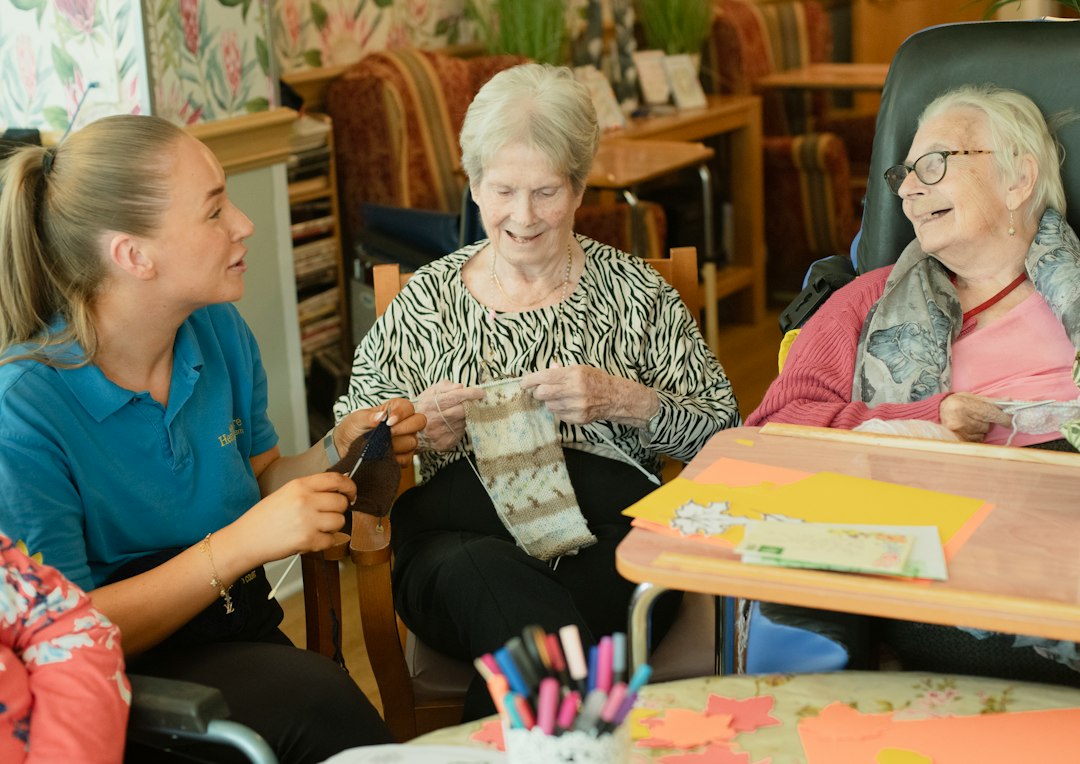
In the world of care home management, efficient asset disposal is important for maximizing financial returns and minimizing legal complexities, especially during mergers and acquisitions. A well-planned, cost-conscious approach to asset disposal can significantly impact the bottom line. A recent study by the Care Quality Commission revealed that streamlined estate clearance processes can reduce relocation costs by up to 25% while ensuring a smooth transition for residents and their families.
The first step in evaluating asset disposal strategies is understanding the value of each item, room, and piece of infrastructure within the care home. This involves a detailed inventory management system that tracks every asset, its condition, and potential resale value. A care home might discover that its historic furniture, carefully preserved by an Artifact Conservation Expert, has higher-than-expected resale value, allowing for a more lucrative disposal strategy. This data-driven approach, combined with input from the National Association of Professional Clearers (NAPC), ensures that each asset is evaluated based on its unique circumstances.
Family involvement in decision-making processes is another critical aspect of effective asset disposal. Care home operators must balance the emotional attachment of families with practical considerations. Implementing shared decision-making models, as suggested by the Historic Preservation Society, can foster transparency and trust while ensuring that the care home's assets are disposed of in a manner that respects cultural heritage. A care home might involve families in choosing a new, environmentally sustainable location, aligning asset disposal with broader sustainability goals. This complete approach not only handles legal red tape after relocation but also ensures a positive, future-oriented experience for families.
For actual disposal, Care Home Clearance Service offers specialized solutions tailored to each unique case. These include strategic partnerships with recycling initiatives, asset recovery specialists, and space restoration experts. Electronic waste (e-waste) recycling programs can handle outdated technology, while custom-designed relocation support can streamline the process for residents. By combining these cost-effective strategies, care homes can maximize asset recovery, minimize environmental impact, and maintain their financial health during transitions. For mergers and acquisitions, visiting us at care home clearance can provide valuable insights into chain-specific clearance programs, ensuring a smooth and profitable asset disposal process.
Efficient Care Home Clearance: Streamlining the Process

Efficient Care Home Clearance Service: Streamlining the Process
Professional The services play an important role in the smooth relocation of residents from assisted living facilities. Unlike traditional estate clearance processes, the modern care home clearance process requires specialized expertise to handle legal and logistical complexities. The National Care Homes Act 2014 dictates specific standards for care home closures, and the Care Quality Commission ensures these standards are met. The National Association of Professional Clearers (NAPC) offers industry-leading best practices, guiding care home clearance teams through every step.
Streamline Clearances Ltd., a leading provider of the services, uses advanced inventory management software and clearance optimization techniques to efficiently organize and dispose of assets. This technology allows for real-time tracking of items, quick valuation, and secure disposal, ensuring residents' belongings are handled with the utmost care. Their system can automatically generate cost analysis reports, helping families make informed decisions about the disposition of their loved ones' assets.
Professional guidance during the relocation process is essential to handle insurance claims and legal requirements. After clearance, care homes must manage the process of transferring residents' personal effects, a task that requires careful coordination and respect for cultural and sentimental value. The Historic Preservation Society has partnered with care homes to preserve and restore historic artifacts, ensuring cultural heritage programs are not lost in the transition. Asset Recovery Partners, a subsidiary of Streamline Clearances Ltd., offers comprehensive support in this area, providing secure disposal protocols and recycling initiatives that are both environmentally responsible and cost-effective.
Maximizing Returns: Selling and Donating Options Explored

Selling and donating assets from a care home is a strategic approach to maximizing returns during the downsizing process. This method not only generates cash flow but also contributes to a positive environmental impact. Efficient care home downsizing requires careful consideration of what can be sold, traded, or donated. Furniture, fixtures, and equipment can have significant resale value, especially if they are in good condition. According to a 2022 report by the National Association of Professional Clearers (NAPC), proper asset management can yield an average of 30-40% return on investment for care home closures.
When exploring selling options, it's important to identify the most suitable markets. Local auctions, online marketplaces, and specialized care home liquidation companies can provide excellent exposure. Streamline Clearances Ltd. Has facilitated successful sales for numerous care homes, ensuring top dollar for their assets. Donating items with historical or cultural value can be another lucrative avenue. Historic Preservation Societies often collaborate with care homes to preserve and redistribute these items, ensuring they find new homes and preventing waste. This approach aligns with growing recycling and sustainability initiatives, enhancing the care home's environmental legacy.
Cost-benefit analysis is key to making informed decisions. The services, like PCL, offer cost-effective solutions with their expertise in inventory management and asset recovery. By providing transparent cost breakdowns and detailed reports, these services ensure safe and secure disposal while maximizing returns. A recent case study revealed that a care home realized a 25% increase in proceeds by partnering with a specialized clearance service, which also handled the safe disposal of sensitive materials according to local government regulations and Care Quality Commission standards. This complete approach ensures that downsizing is not just efficient but also beneficial for the environment and local communities.
To ensure a smooth transition, care home managers should consider involving families and residents in the decision-making process. Family Council Meetings can facilitate shared decision-making models, allowing residents' preferences to be considered. Customized care plans and relocation support can make the downsizing process less daunting for everyone involved. By combining efficient care home downsizing strategies with personalized services, the transition can be smooth, ensuring the best possible outcome for all stakeholders.
Frequently Asked Questions About Cost-Effective Solutions for Asset Disposal
What are the most cost-effective methods for disposing of obsolete equipment?
For disposing of old machinery, a strategic approach can significantly reduce costs. Consider a combination of methods: selling usable assets for parts or as a whole unit, recycling or scrap metal collection for non-functional items, and partnering with specialized recycling facilities for electronics and hazardous materials. A major tech company may find a local electronics recycler to handle e-waste responsibly while generating a tax write-off for the value of the recycled materials.
How can I maximize the return from selling used assets?
To maximize profits, thoroughly assess the condition and market demand for each asset. Focus on high-demand items in good working order. Consider auction platforms for a wide reach or direct sales to businesses in your industry. Regularly updating asset inventory and pricing strategies based on market trends will ensure you're offering competitive rates.
What role does asset disposal planning play in overall cost management?
Proactive asset disposal planning is key to long-term cost savings. By forecasting equipment obsolescence and setting a disposal strategy early, organizations can budget for replacements more accurately. This reduces unexpected expenses and ensures a steady supply of functional assets, avoiding the cost of maintaining non-viable equipment.
Are there tax benefits to disposing of assets responsibly?
Absolutely. Responsible asset disposal can lead to significant tax advantages. Many countries offer incentives for proper recycling and disposal, including tax credits for recycling certain materials and deductions for the fair market value of assets no longer useful to a business. Consulting with an accountant can help uncover these benefits.
How can I ensure legal compliance during asset disposal?
Compliance is important to avoid penalties. Familiarize yourself with local regulations regarding waste disposal, particularly for hazardous materials. Partnering with licensed haulers and recyclers ensures compliance. Documenting the disposal process, including receiving confirmation of recycling or destruction, is essential for legal and environmental integrity.
What are the best practices for documenting asset disposal?
Maintain detailed records, including asset details, disposal method, date, and recipient or recycling facility information. Digital documentation systems streamline the process. This data is valuable for insurance, tax, and audit purposes, as well as for future planning and asset management.
The article has illuminated the multifaceted approach to cost-effective asset disposal, with a particular focus on the unique challenges and opportunities in care home clearances. Key takeaways include the importance of legal compliance, as guided by the National Care Homes Act 2014 and Local Government Regulation, and the role of professional clearers, such as the National Association of Professional Clearers (NAPC), in ensuring ethical and efficient operations.
Efficient clearance processes, facilitated by companies like Streamline Clearances Ltd., utilize advanced inventory management software and optimization techniques to minimize costs and maximize productivity. This streamlines not only the physical clearance but also the subsequent asset management, including recycling and secure disposal, as per the Care Quality Commission's standards.
Maximizing returns from care home clearances involves a strategic mix of sales and donations. Asset Recovery Partners, for instance, uses recycling initiatives and sustainable asset management, aligning with the growing environmental consciousness. Customized care plans, involving family councils and shared decision-making, ensure personalized services while keeping costs in check.
Practical next steps include:
- Assessing Current Strategies: Evaluate existing asset disposal methods against cost-conscious principles.
- Implementing Technology: Explore inventory management software and digital asset tracking for enhanced efficiency.
- Engaging Professionals: Partner with recognized clearers, like PCL, to ensure legal compliance and ethical practices.
- Sustainability Focus: Adopt recycling programs and space restoration expertise to reduce environmental impact.
By integrating these insights, the services can achieve cost savings, enhance operational efficiency, and provide a more complete, client-centric experience.
Efficient care home asset disposal and downsizing maximize financial returns, minimize legal complexities, and contribute to environmental sustainability. This involves detailed inventory management, data-driven decision-making, and strategic partnerships. The service offers specialized solutions, including advanced technology, recycling initiatives, and asset recovery, ensuring a transparent, cost-effective, and positive transition for residents and families. Involving families and following legal standards, such as the National Care Homes Act and Care Quality Commission guidelines, are critical to successful and responsible care home transitions.