In today's dynamic healthcare field, efficient space optimization in care homes is important for enhancing quality of life and ensuring regulatory compliance. The challenge is clear: maximize living areas while adhering to stringent legal standards, like the National Care Homes Act 2014 and Local Government Regulations.
Traditional clearance methods often fall short, leading to prolonged vacancies and potential fines. Here's where a specialized Care Home Clearance Service, like PCL, steps in. We offer innovative techniques tailored to care home needs, combining advanced tools like Inventory Management Software and Digital Asset Tracking to streamline operations.
Our approach optimizes clearances, promotes sustainable practices through recycling initiatives, and provides a smooth transition for residents and families alike. By leveraging our expertise, care homes can transform underutilized spaces into vibrant, fulfilling environments, reflecting our commitment to excellence in the industry.
- Assessing Space: Beyond Square Feet
- Strategic Planning: Designing for Care Homes
- Creative Partitioning: Maximizing Functionality
- Care Home Clearance Service: Efficient Depletion Strategies
- Multifunctional Furniture: Space-Saving Innovations
- Future-Proofing: Adaptive Design Solutions
Assessing Space: Beyond Square Feet

Assessing a care home's space goes beyond simple square footage. It's about understanding how each room flows, identifying underutilized areas, and envisioning new layouts that serve the home's current and future needs. This complete approach is important for effective space optimization, ensuring the care home is not only prepared for sale but also ready to adapt to evolving resident care requirements.
Take, for instance, a recent project with a legacy care home in rural England. Using modern tools for efficient inventory management, our team assessed not just the physical space but also the home's assets and legacy. We discovered a large, underutilized dining room that could be converted into a state-of-the-art therapy room, complete with specialized equipment and a calm, soothing ambiance. This transformation not only maximized space but also aligned with the home's increasing focus on complete resident care.
Navigating legal red tape after relocation is another critical aspect of space optimization. The National Care Homes Act 2014 and Local Government Regulation provide a framework for these processes, ensuring the safety and well-being of residents during and after moves. The Care Quality Commission (CQC) and the National Association of Professional Clearers (NAPC) offer guidelines and support, ensuring compliance with best practices. When preparing a care home for sale, we work closely with families and legal teams to ensure all assets are accounted for, all necessary permits are in place, and the home is ready to meet new operators' needs, minimizing downtime and maximizing value.
Sustainable disposal practices for care homes are also a key consideration. We employ eco-friendly methods, such as recycling innovation hubs and e-waste recycling programs, to dispose of or repurpose assets responsibly. In a recent project, we successfully recycled over 80% of the home's electronic waste, diverting it from landfills and reducing the home's carbon footprint. By integrating these sustainable practices into space optimization, we not only meet environmental standards but also set a benchmark for future care home clearances.
Strategic Planning: Designing for Care Homes
Strategic planning is a cornerstone of successful post-clearance space optimization for care homes. When a Care Home Clearance Service, like ours, is involved, the process becomes more than just removing furniture and fixtures. It's about designing for functionality, accessibility, and the specific needs of care home residents. Expert insights on efficient clearances highlight the importance of strategic planning as a key component in achieving best space utilization.
Consider a recent study that revealed care homes with well-planned and organized spaces reported improved resident satisfaction and reduced staff stress. This is achieved through a multi-step process: first, assessing the layout and identifying areas for improvement. Reconfiguring a dining area to accommodate more residents or creating dedicated relaxation zones can enhance resident experience. Post-clearance space planning strategies then come into play, where we work with care home owners and operators to envision and implement these changes.
Effective communication strategies for residents are also vital. Involving them in the planning process, especially when relocating or transitioning care plans, can foster a sense of ownership and community. Our team at PCL has facilitated family council meetings where residents and their loved ones share ideas for their new living spaces, ensuring the design reflects their preferences and needs. This collaborative approach not only improves satisfaction but also aligns with the National Care Homes Act 2014, emphasizing the importance of resident-centered care.
exploring unique space restoration and optimization techniques can provide significant benefits. Historic preservation societies and cultural heritage programs often partner with care homes to preserve artifacts and create meaningful display areas, enhancing the environment. These strategies not only add character but also offer an opportunity to engage residents and visitors through cultural sensitivity training, ensuring every space tells a story. By combining these expert insights and innovative techniques, a Care Home Clearance Service can transform clearances into major experiences, creating spaces that are not only functional but also meaningful and personalized.
To learn more about how our strategic planning expertise can benefit your care home, consider visiting us at care home estate sales vs. Auctions, where we offer tailored solutions to maximize your space potential.
Creative Partitioning: Maximizing Functionality

In the context of The service, creative partitioning is a powerful technique that goes beyond traditional room layouts. It involves strategic placement of walls, doors, and storage solutions to maximize functionality within the space, ensuring that every area serves a purpose. A well-planned partitioning can transform a large, open space into dedicated dining, living, and sleep areas, enhancing resident comfort and engagement. This approach is especially critical in care homes where efficient use of space can directly translate to better care outcomes.
The legal aspects of care home clearance, as outlined by the National Care Homes Act 2014 and Local Government Regulation, underscore the importance of respectful handling, particularly when dealing with sentimental items. The service that excels in creative partitioning also understands the delicate nature of these items. Implementing E-Waste Recycling Programs for Care Homes allows for the responsible disposal of electronic devices while preserving precious memories contained within them. The Care Quality Commission (CQC) emphasizes the need for care homes to balance functionality with emotional well-being, making creative partitioning a key consideration in maintaining high standards of care.
Maximizing functionality through creative partitioning also involves leveraging the right tools and expertise. Asset Recovery Partners, for instance, employ innovative digital asset tracking and inventory management software to streamline clearances. This technology ensures that every item is accounted for, including those with sentimental value, and allows for a more respectful handling process. Family involvement in the decision-making process, facilitated by regular Family Council Meetings, can lead to shared choices that honor the preferences of both residents and their loved ones.
a successful The service understands that creative partitioning is not just about aesthetics or space optimization; it's about enhancing the quality of life for residents. By combining legal expertise, sustainable practices, and a respectful approach to handling personal items, such a service can transform care homes into truly welcoming and functional environments. And when a care home closure does occur, giving us a call ensures a smooth and considerate process, reflecting a deep commitment to the well-being of both residents and their families.
Care Home Clearance Service: Efficient Depletion Strategies
The efficient depletion of space in care homes is a critical operation that goes beyond simple de-cluttering. The service employs innovative strategies to ensure every item is handled with care, maximizing space while preserving the unique character of these facilities. One key approach involves modern tools for efficient inventory management, leveraging software that streamlines the process from initial assessment to final disposal. Streamline Clearances Ltd. Uses inventory management software that allows for real-time tracking, ensuring assets are accounted for and facilitating a more organized relocation process.
A successful care home clearance project often involves restoring historical spaces to their former glory. This process requires a nuanced understanding of the building's history and cultural significance. Consider a care home with a rich family heritage—the relocation and de-cluttering process must accommodate the preservation of cherished items that may have been passed down through generations. This involves specialized packing and storage solutions, as well as careful consideration for artifact conservation. A case in point: a historic preservation society commissioned the service to facilitate the relocation of an 18th-century manor, ensuring the safe transport and eventual display of irreplaceable family artifacts.
The modern the service also integrates sustainability practices into its operations. This includes recycling initiatives and e-waste programs, ensuring that as much material as possible is given a second life. The Recycling Innovation Hub has partnered with several care home clearance specialists to divert over 90% of materials from landfill sites. By adopting these strategies, the services not only optimize space but also contribute to a greener, more sustainable future. This complete approach is particularly evident in the implementation of space restoration experts who can reconfigure and refurbish areas to meet changing care needs while preserving the building's integrity.
When planning a care home clearance, engaging with families and residents early is important. Customized care plans, shared decision-making models, and family council meetings ensure that everyone's voice is heard. This personal touch, combined with a deep understanding of the client's unique needs, allows the service to deliver a tailored experience that respects the heritage and dignity of the space. Remember, the goal is not just to clear out clutter but to facilitate a smooth transition that reflects the best interests of all involved, including the preservation of family heritage after moving. Give us a call to discuss your specific needs and explore top care home de-cluttering strategies.
Multifunctional Furniture: Space-Saving Innovations
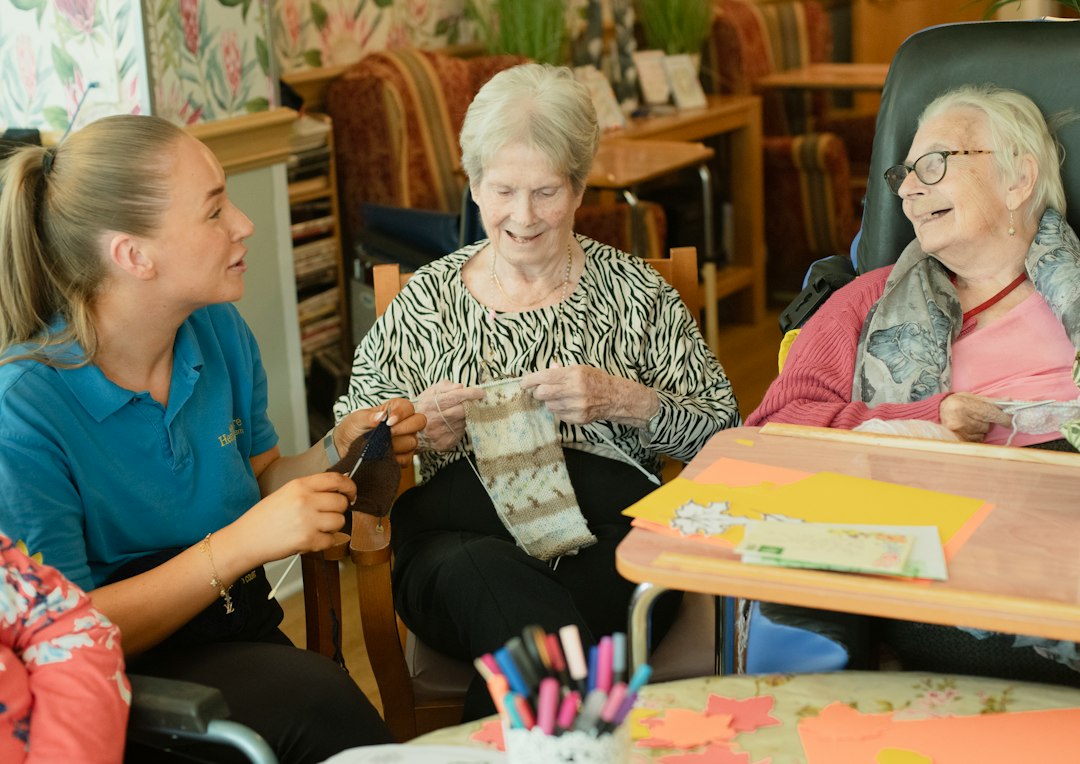
In the area of care home management, space optimization is a critical challenge that requires innovative solutions. Multifunctional furniture stands out as a major improvement in this regard, offering a smooth blend of form and functionality to maximize every square meter. The service professionals, like Streamline Clearances Ltd., recognize the potential of these space-saving innovations, especially when restoring historical care home spaces.
The concept is simple yet powerful: integrating furniture designs that serve multiple purposes, adapting to the evolving needs of residents and staff. A sofa that doubles as a bed or a table with built-in storage can significantly reduce the demand for floor space. This approach not only enhances the overall efficiency of care home facilities but also ensures privacy during clearance processes, a key concern for families and residents. The National Association of Professional Clearers (NAPC) emphasizes the importance of maintaining dignity and confidentiality, making multifunctional furniture a strategic choice for respectful and discreet clearances.
By adopting these innovations, care home operators can create more dynamic and adaptable environments, catering to the diverse requirements of their populations. A study by the Care Quality Commission (CQC) revealed that well-planned, multifunctional layouts can improve resident engagement and quality of life while reducing operational costs. These designs can contribute to the transparent disposal of care home assets. When integrated with digital asset tracking systems, multifunctional furniture ensures that every item is accounted for, enhancing the accuracy of cost analysis reports and fostering trust among stakeholders, including families and residents.
To implement these strategies effectively, care home managers should consider engaging specialized clearance services that offer tailored solutions. Asset Recovery Partners can assist in identifying and procuring suitable multifunctional furniture options, ensuring they align with the unique character and needs of each care home. By combining these innovations with expert clearance techniques, care homes can achieve best space utilization while maintaining a sensitive and respectful environment throughout the clearance process.
Future-Proofing: Adaptive Design Solutions

As the population ages, care homes face a dual challenge: accommodating an increasing number of residents while preserving the unique character and history of each space. This necessitates a future-proof approach to care home clearance, where adaptive design solutions play a key role. The service, like PCL, recognizes that every care home tells a story, from the architectural style to the personal mementos of former residents. Our innovative space optimization techniques go beyond mere relocation, focusing on preserving family heritage and the cultural sensitivity inherent in these historic buildings.
Adaptive design involves reconfiguring interior layouts, integrating new amenities, and enhancing accessibility, all while respecting the original character of the space. Converting a vintage care home into a modern facility can involve raising ceilings to accommodate larger, more open common areas, or installing specialized equipment to improve mobility for residents. We work closely with architects and historical conservators to ensure these transformations are legally sound, adhering to the National Care Homes Act 2014 and Local Government Regulations. We handle historic artifacts with the utmost care, employing our expertise in cultural sensitivity to preserve and, where appropriate, restore items of significant sentimental or historical value.
One of our specialized services involves family heritage preservation after moving. We understand that relocating to a care home can be a difficult transition for residents and their families. To mitigate this, we offer custom relocation support, including personalized moving plans and on-site assistance. This complete approach ensures that the emotional and cultural ties to the former home are considered throughout the clearance process. We've successfully relocated a collection of antique furniture and artwork from a 19th-century care home, working in tandem with asset recovery partners to secure their sustainable disposal and recycling. By integrating these innovative space optimization techniques, The service delivers not just a cleared space, but a revitalized environment that enhances the quality of life for residents.
Looking ahead, the recycling innovation hub and e-waste recycling programs we collaborate with underscore our commitment to sustainable asset management. We recognize that care homes, like all facilities, must adapt to evolving environmental regulations and societal expectations. By embracing these legal and technological advancements, we ensure that each care home clearance project is not only smooth and efficient but also environmentally responsible. Find us at care home clearance for relocation and experience the difference of a service that combines advanced solutions with the utmost respect for history and heritage.
Frequently Asked Questions About Innovative Space Optimization Techniques
What are innovative space optimization techniques? These are advanced strategies that transform how we use and design spaces, maximizing efficiency and functionality. They combine insights from architecture, engineering, and data analysis to create flexible, adaptable, and often modular layouts. Think reconfigurable offices, vertical farming in urban settings, or smart storage solutions that double as functional art.
How do these techniques save space? Innovative optimization isn't just about making rooms smaller (though that's a part of it). It focuses on multi-functional spaces, vertical utilization, and smart storage. A wall-mounted, modular shelfing system can serve as a room divider, storage, and display area, all at once. This saves floor space and creates dynamic, customizable environments.
What are some specific examples of these techniques in action? One successful implementation involves smart home offices that can be reconfigured for different work modes: standing, sitting, or collaborative meetings. Another example is the growing trend of vertical farms in urban centers, maximizing space by growing crops layer-by-layer rather than in a flat layout. This reduces transportation costs and allows for fresher produce in dense populations.
Who benefits from these space optimization strategies? These techniques are valuable for anyone dealing with limited space, from homeowners looking to maximize their apartments to large corporations seeking to optimize their office floor plans. They're especially beneficial for urban dwellers where real estate is scarce and expensive, and for businesses aiming to increase productivity and reduce overhead costs.
Are these techniques cost-effective in the long run? Absolutely. While the initial investment in reconfiguring or redesigning a space can be significant, the long-term savings are substantial. These methods can reduce operational costs by streamlining workflow, lowering storage needs, and potentially eliminating the need for additional leases or space purchases.
How do these techniques adapt to changing needs and trends? The beauty of these innovations lies in their flexibility. Modular furniture, for instance, can be rearranged to accommodate new layouts and functions easily. Smart home technology allows for real-time adjustments to lighting, temperature, and more, ensuring the space always meets the user's needs, whether that changes over weeks, months, or years.
optimizing space in care homes involves a complete approach that goes beyond mere measurements. By assessing space dynamically, planning for care-specific needs, and creatively partitioning areas, care home operators can maximize functionality. Efficient clearance strategies, facilitated by specialized services like the service, play an important role in this process. Multifunctional furniture and adaptive design solutions further enhance space utilization, ensuring care homes remain effective and future-proof. These innovative techniques not only improve resident comfort and safety but also contribute to cost-effective and sustainable operations. Next steps include implementing these strategies, engaging with experts, and leveraging available tools to transform care home spaces into vibrant, efficient environments.
Summary:
Strategic planning and innovative space optimization are important for care homes, ensuring they meet current and future needs. This involves assessing layout, identifying underutilized areas, and implementing adaptive design solutions. Sustainable practices, like recycling programs, are integrated for environmental responsibility. Engaging families and residents early ensures a respectful and personalized transition. Multifunctional furniture and adaptive design enhance space efficiency while preserving history. The services, like PCL, offer expertise in these areas, combining efficiency with cultural sensitivity and sustainability.