
In an environmentally conscious era, Care Home Clearance Service is vital for reducing care homes' carbon footprint and contributing to sustainability. Specialized services offer efficient estate clearance, ensuring proper recycling, repurposing, and responsible disposal of assets like historic artifacts, e-waste, and hazardous materials. By integrating green strategies, care homes can minimize environmental impact, save resources, maintain resident dignity, meet regulations, and foster a culture of responsibility. Measuring success through KPIs like waste diversion and carbon emissions reduction demonstrates a positive brand image and industry leadership in eco-friendly practices.
In today’s world, sustainable practices are no longer a niche concern but a critical component of responsible business operations. Asset disposal, a ubiquitous yet often overlooked aspect of industry, presents a significant challenge when it comes to environmental stewardship. Traditional methods often leave a substantial ecological footprint, especially within the confined spaces of care homes and similar facilities. However, a growing array of eco-friendly alternatives offers a promising solution. This article delves into these innovative practices, spotlighting their benefits for both the environment and businesses like Care Home Clearance Services, while ensuring compliance with stringent regulatory standards.
- Understanding Eco-Friendly Asset Disposal Practices
- The Role of Care Home Clearance Service in Sustainability
- Implementing Green Strategies for Efficient Clearance
- Material Recycling and Reuse: A Comprehensive Guide
- Measuring Success: Evaluating Eco-Friendly Clearance Impact
Understanding Eco-Friendly Asset Disposal Practices

In today’s environmentally conscious world, understanding eco-friendly asset disposal practices is crucial for organizations, particularly in sectors like care homes, where responsible management of resources can have a significant impact on sustainability. Care home clearance services play a vital role in ensuring that downsizing and replacement of assets are conducted in an efficient and sustainable manner. Simplifying complex care home clearances requires specialized knowledge to navigate the intricate process of disposing of outdated equipment, furniture, and other items while adhering to environmental regulations.
Efficient care home downsizing is not just about cost-cutting; it involves strategic planning to minimize waste and maximize the value of assets. By implementing eco-friendly practices, care homes can reduce their carbon footprint and contribute to a greener future. A key aspect of this process is conducting thorough cost-benefit analyses for clearance services. For instance, a study by the Environmental Protection Agency (EPA) revealed that proper recycling and disposal of medical equipment in care homes can lead to significant cost savings while reducing environmental impact. This analysis should consider not only financial benefits but also the long-term sustainability goals of the care home.
Expert recommendations suggest adopting a holistic approach, where asset disposal is integrated into the broader sustainability strategy of the care home. For instance, partnering with specialized eco-friendly care home clearance services can ensure proper recycling and repurposing of assets. By giving us a call at eco-friendly care home clearance methods, organizations can access tailored solutions that simplify complex clearances while promoting sustainable practices. This not only streamlines the downsizing process but also provides a cost-effective approach, as efficient asset management can lead to substantial financial savings for care homes in the long run.
The Role of Care Home Clearance Service in Sustainability
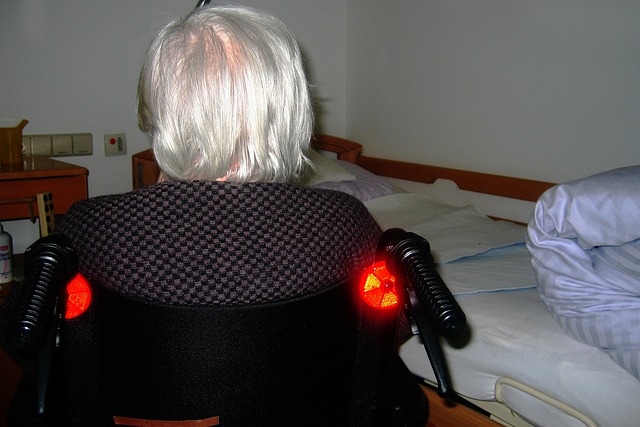
The role of Care Home Clearance Service in sustainability is becoming increasingly significant as the industry prioritizes eco-friendly asset disposal practices. Care homes generate a substantial volume of waste, from furniture and belongings to electronic equipment and hazardous materials. A specialized Care Home Clearance Service not only facilitates efficient estate clearance processes but also ensures these activities are conducted responsibly and with due regard for privacy. This dual focus is crucial in fostering sustainability within the sector.
For instance, proper disposal of electronic waste (e-waste) from care homes can prevent harmful substances from entering the environment. Traditional methods often involve sending items to landfills or incinerators, contributing to pollution and land degradation. However, a Care Home Clearance Service equipped with sustainable disposal practices can recycle, refurbish, or responsibly dispose of e-waste according to environmental regulations. This reduces the carbon footprint associated with clearance processes, aligning with broader sustainability goals.
Streamlining estate clearance processes is another key advantage. By leveraging specialized services, care homes can save time and resources that would otherwise be dedicated to managing disposals internally. This not only enhances operational efficiency but also allows staff to focus on core caregiving responsibilities. Moreover, ensuring privacy during these sensitive operations is paramount. A reputable Care Home Clearance Service understands the importance of confidentiality and will handle all aspects of clearance with discretion, maintaining the dignity of both residents and their families.
In light of increasing environmental consciousness and regulatory scrutiny, it’s vital for care homes to partner with services that embrace sustainable disposal practices. By choosing a provider that prioritizes these values, care homes can contribute to a greener future while adhering to ethical standards. To streamline care home closure processes and implement eco-friendly solutions, look no further than our expert team. We offer tailored solutions that ensure both efficiency and environmental responsibility, enabling care homes to minimize their ecological impact effectively.
Implementing Green Strategies for Efficient Clearance

Implementing green strategies for efficient clearance has become a critical aspect of responsible asset disposal, especially within the care home sector. Care Home Clearance Service specializes in minimizing environmental impact while facilitating seamless clearance processes. One key area is handling historic artifacts from care homes, which require careful consideration and preservation. Expert insights emphasize the importance of assessing each item’s value, historical significance, and potential reuse or recycling paths. For instance, vintage medical equipment can be donated to museums or educational institutions, ensuring these pieces are preserved for future generations while avoiding unnecessary e-waste.
E-waste recycling programs for care homes play a pivotal role in sustainable asset disposal. With electronic devices becoming ubiquitous in senior living facilities, proper disposal is essential to prevent the release of harmful substances into the environment. Care Home Clearance Service offers specialized recycling services that adhere to stringent regulatory standards. By partnering with certified e-waste recyclers, we ensure that materials like computers, tablets, and phones are processed responsibly, recuperating valuable resources while mitigating ecological harm.
In addition to historical artifacts and e-waste, efficient clearances encompass the responsible management of care home waste in general. This involves adopting a holistic approach that includes sorting, recycling, composting, and safe disposal methods. By integrating these practices, care homes can significantly reduce their environmental footprint. For example, implementing comprehensive recycling programs can divert substantial amounts of waste from landfills, contributing to broader sustainability goals. Expert insights suggest that proactive waste management strategies not only benefit the environment but also foster a culture of responsibility and awareness among residents and staff.
Find us at manage care home waste responsibly and discover how our tailored solutions can support your facility’s eco-friendly initiatives. By combining expert knowledge with innovative practices, we empower care homes to navigate the challenges of clearance while prioritizing sustainability. Through handling historic artifacts thoughtfully, implementing robust e-waste recycling programs, and adopting efficient waste management strategies, care homes can make a meaningful difference in their environmental footprint.
Material Recycling and Reuse: A Comprehensive Guide

Material Recycling and Reuse offers a sustainable and responsible approach to Care Home Clearance Service, especially when dealing with historical spaces and artifacts. Restoring these care home environments involves careful handling of materials, ensuring every element is given a new lease of life or disposed of safely and securely. This comprehensive guide highlights the importance of recycling and reusing items, particularly in the context of preserving the unique character of historic care homes.
When it comes to Care Home Clearance, one of the primary goals should be to maximize resource value while minimizing environmental impact. Recycling materials like wood, metal, and plastics not only reduces waste but also provides a source for creating new products. For instance, reclaimed timber can be used in construction or furniture-making, diverting it from landfills. Similarly, metal components can be smelted and repurposed, cutting down on the need for virgin resources. A Care Home Clearance Service specializing in this area should collaborate with local recycling centers to ensure materials are processed efficiently.
Handling historic artifacts requires a delicate balance between preservation and disposal. Artifacts from care homes often hold immense sentimental value and cultural significance. Instead of discarding them, consider consulting conservators or heritage experts who can provide advice on their restoration and proper storage. For example, old photographs and documents can be digitized and archived, ensuring their longevity while making physical space for new memories. This approach not only ensures the safe disposal of care home materials but also contributes to the overall preservation of historical care home spaces.
Ensuring a secure disposal process is crucial for any Care Home Clearance Service. It involves adhering to local waste management regulations and employing methods that protect against contamination and unauthorized access. Proper labeling, secure containment, and specialized disposal facilities are essential when dealing with potentially hazardous or sensitive materials. By integrating recycling and reuse practices into their service offerings, care home clearance specialists can contribute to a more sustainable future while maintaining the integrity of these historic spaces. Find us at what is care home clearance exactly for expert guidance tailored to your unique needs.
Measuring Success: Evaluating Eco-Friendly Clearance Impact

Measuring the success of eco-friendly asset disposal practices is a crucial aspect of responsible Care Home Clearance Service. Going beyond the immediate environmental benefits, evaluating the impact of these methods can showcase their value to families and potential buyers. A successful eco-clearance process involves a holistic approach that considers both sustainability and family needs. By building strong relationships with families, care home managers can ensure that the disposal process aligns with their expectations, fostering trust and transparency.
One effective strategy is to adopt innovative space optimization techniques. This involves creative methods of maximizing the use of available space, reducing waste, and minimizing the environmental footprint. For instance, repurposing materials from one area for another can extend the lifespan of resources while creating a more sustainable living environment. Data suggests that these practices can lead to significant cost savings without compromising on quality or safety standards. Implementing eco-friendly alternatives not only benefits the planet but also communicates a commitment to ethical practices to potential buyers interested in the care home’s future.
To measure the impact, key performance indicators (KPIs) should be established. These might include tracking the amount of reusable or recyclable materials recovered, reducing carbon emissions during the disposal process, and achieving a high level of family satisfaction through surveys. For example, a Care Home Clearance Service that successfully diverts 80% of waste from landfills while ensuring all families’ belongings are handled with care can demonstrate its commitment to eco-friendly practices. By giving us a call at prepare a care home for sale, experts can guide you through these processes, ensuring compliance and maximizing the asset’s potential in the market. These efforts contribute to creating a positive brand image, attracting environmentally conscious buyers, and setting new standards in the industry.
By embracing eco-friendly alternatives for asset disposal, organizations can significantly contribute to sustainability efforts. The article has comprehensively explored various facets of this transition, highlighting the importance of understanding specific practices like Care Home Clearance Service integrations for efficient and green clearance. Implementing strategic recycling and reuse methods not only minimizes environmental impact but also offers cost savings. Measuring success through evaluation demonstrates the tangible benefits of these practices. Key takeaways include adopting comprehensive material recycling guides, leveraging Care Home Clearance Services for specialized needs, and consistently assessing environmental impact to drive continuous improvement in asset disposal methods. These insights empower businesses to make informed decisions, ensuring their operations align with sustainable practices.